Stockout Cost Calculator: What Running Out Really Costs You
Key takeaway: Stockouts cost 2-3x the lost sale price when you factor in customer acquisition waste, ranking damage, and customer churn. Here's the full cost formula and an interactive calculator.
A 5-Day Stockout Costs More Than You Think
Want to calculate your own stockout costs? Use our interactive Stockout Cost Calculator to plug in your numbers.
I used to think a stockout just meant missed sales. Five days out of stock on a $45 product selling 10 units a day? That is $2,250 lost. Bad, but not catastrophic.
Then I ran the real numbers. The actual damage was closer to $6,000.
The Full Stockout Cost Formula
True Stockout Cost = Lost Revenue
                   + Lost Customer Acquisition Cost
                   + Future Lost Revenue
                   + Ranking/Velocity Damage
                   + Operational Disruption
Most sellers only count the first line. That is a mistake.
Component 1: Lost Revenue
The direct cost - sales you would have made.
Lost Revenue = Days Out of Stock × Daily Sales × Average Order Value
Example:
Days Out of Stock: 5
Daily Sales: 10 units
Average Order Value: $45
Lost Revenue: 5 × 10 × $45 = $2,250
This is the floor. The minimum. Everything below adds to it.
Component 2: Wasted Customer Acquisition Cost
You paid to get those customers to your listing. PPC, Facebook ads, Google ads, SEO. All that spend brought someone to your page, and they found an out-of-stock notice.
Lost CAC = Lost Orders × Customer Acquisition Cost
Example:
Lost Orders: 50 (5 days × 10/day)
CAC: $8 per customer
Lost CAC: 50 × $8 = $400
$400 in ad spend that drove traffic to a dead listing. I have watched sellers do this for weeks before noticing.
Component 3: Future Lost Revenue
Here is the part that stings. Some percentage of those customers - I estimate 20-40% - never come back. They found a competitor. They forgot about you. They had a bad experience and moved on.
Future Lost Revenue = Lost Customers × Lifetime Value × Churn Rate
Example:
Lost Orders: 50
Customer LTV: $150
Churn Rate from Stockout: 30%
Future Lost Revenue: 50 × $150 × 0.30 = $2,250
Component 4: Ranking Damage (Amazon)
On Amazon, stockouts wreck your organic ranking. Sales velocity drops to zero. BSR collapses. Keyword rankings slip as competitors fill the gap. And when you restock? You do not bounce back immediately. Recovery takes days, sometimes weeks.
Ranking Damage = Days to Recover × Lost Daily Profit
Example (conservative):
Days at Reduced Ranking After Restock: 10
Reduced Daily Sales: 7 units (vs. normal 10)
Lost Sales During Recovery: 3 × 10 = 30 units
Lost Profit: 30 × $15 profit = $450
This is the hardest component to measure and the one Amazon sellers underestimate most.
Component 5: Operational Disruption
Stockouts create panic. Rush orders to suppliers at expedited rates. Air freight instead of ocean freight. Your team stops working on growth and starts firefighting. Customer service handles complaints.
Operational Cost = Rush Fees + Extra Shipping + Staff Time Value
Example:
Rush Freight Premium: $500
Extra Customer Service: 5 hours × $25/hour = $125
Operational Cost: $625
Total Stockout Cost: The Real Number
| Cost Component | Amount |
|---|---|
| Lost Revenue | $2,250 |
| Lost CAC | $400 |
| Future Lost Revenue | $2,250 |
| Ranking Damage | $450 |
| Operational Costs | $625 |
| Total Stockout Cost | $5,975 |
A 5-day stockout that "only" lost $2,250 in immediate sales actually cost nearly $6,000.
The multiplier: True cost = 2.6x lost revenue in this example. We use 2.5x as a working estimate.
Quick Estimate and Calculator
Quick rule: True Stockout Cost = Lost Revenue x 2.5
For a precise calculation with your actual numbers, use our Interactive Stockout Cost Calculator. It runs through all five components with your inputs.
Stockout Rate: Know Your Number
Stockout Rate = Days Out of Stock / Total Days Measured
Example:
Out of Stock Days (last quarter): 12 days
Total Days: 90 days
Stockout Rate: 12/90 = 13.3%
That 13.3% is terrible. I would be losing sleep over it.
Weight it by product importance to get a more accurate picture:
Weighted Stockout Rate = Σ(Product Stockout Rate × Product Revenue Share)
If your top product (40% of revenue) stocks out 5% of days, and everything else (60% of revenue) stocks out 15% of days:
Weighted Rate = (0.05 × 0.40) + (0.15 × 0.60) = 0.02 + 0.09 = 11%
Industry Benchmarks
| Metric | Poor | Average | Good | Excellent |
|---|---|---|---|---|
| Overall Stockout Rate | >10% | 5-10% | 2-5% | <2% |
| Top Products Stockout | >5% | 2-5% | 0.5-2% | <0.5% |
| Stockout Recovery Time | >14 days | 7-14 days | 3-7 days | <3 days |
The ROI of Preventing Stockouts
Inventory forecasting tools cost $50-500/month depending on complexity. Here is what happens when one of them cuts your stockout rate from 10% to 2%:
Current Annual Stockout Cost = Annual Revenue × 10% × 2.5 multiplier
= $500,000 × 0.10 × 2.5 = $125,000

New Annual Stockout Cost = $500,000 × 0.02 × 2.5 = $25,000

Annual Savings = $125,000 - $25,000 = $100,000
Tool Cost = $150/month × 12 = $1,800

ROI = ($100,000 - $1,800) / $1,800 = 5,456%
Even if you cut those savings in half to be conservative, you are still looking at a 2,700% return.
Fixing the Problem
Prevention beats mitigation every time. Better demand forecasting, proper safety stock levels, and proactive reorder alerts stop stockouts before they start.
When stockouts do happen - and they will - minimize damage with backorder availability on Shopify, expected restock date messaging, and email capture for restock notifications. After you are back in stock, push promotions to rebuild velocity fast, especially on Amazon where ranking recovery is everything.
How ReplenishRadar Helps
We built ReplenishRadar specifically to catch stockouts before they happen. The system runs your sales velocity against supplier lead times and current stock levels, then tells you exactly when to reorder and how much. If a SKU is 12 days from stocking out and your supplier needs 14 days to deliver, you get an alert today - not in two days when it is too late. We have seen sellers cut their stockout rate from double digits to under 2% in the first quarter.
Try ReplenishRadar free for 14 days ->
The Multiplier, Summarized
| Multiplier | What It Covers |
|---|---|
| 1.0x | Direct lost revenue |
| +0.3x | Wasted customer acquisition cost |
| +0.5x | Future lost revenue from churned customers |
| +0.2x | Amazon ranking damage (if applicable) |
| +0.2x | Operational disruption |
| = 2.5x | Typical total multiplier |
A $1,000 lost sale is really a $2,500 problem. Most sellers do not realize this until they do the math, and by then the damage is already done.
Related Reading:
Frequently Asked Questions
Get notified when it matters
Amazon and Shopify change the rules constantly. We'll email you when something affects your business.
See what your inventory is really doing
Doing $5M+ in revenue? Talk to our team
Related Posts
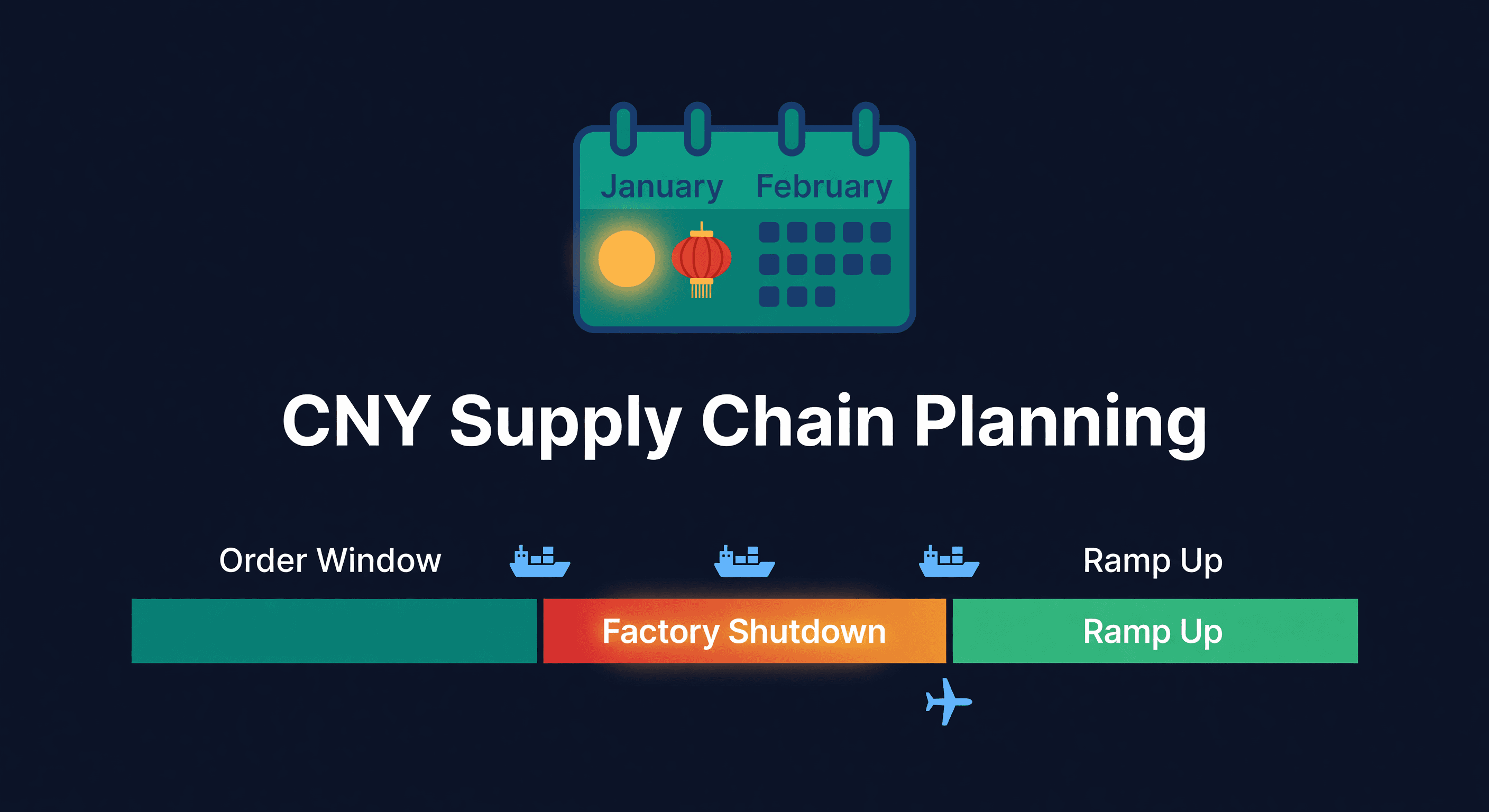
Chinese New Year Supply Chain Planning Guide
How to plan inventory around Chinese New Year factory shutdowns. Timelines, buffer calculations, and the mistakes that leave sellers out of stock for 6 weeks.
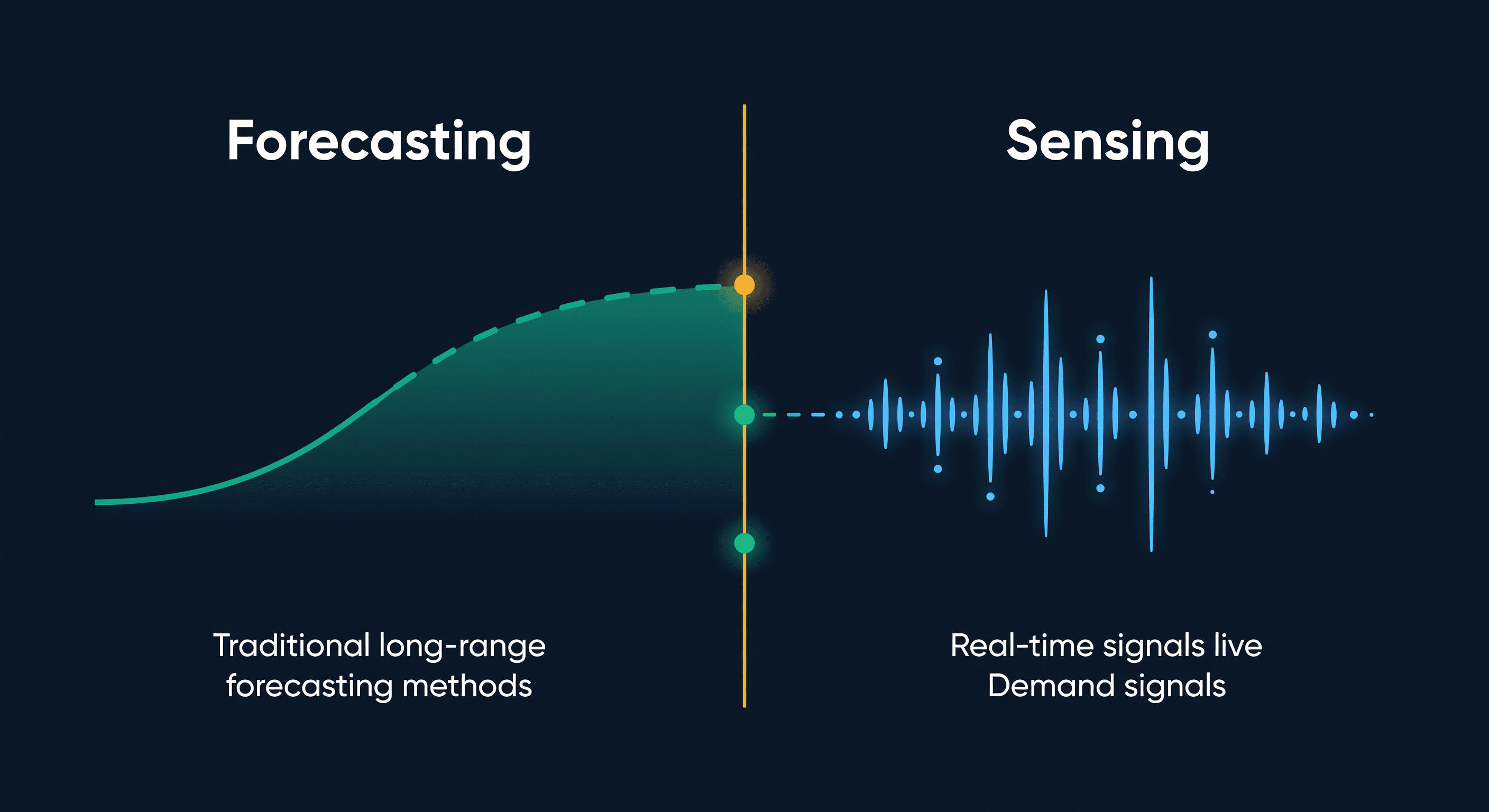
Demand Sensing vs Forecasting for E-commerce
What demand sensing actually is, how it differs from forecasting, why most e-commerce sellers only need one of them, and the practical middle ground.
Amazon's 2027 Bundle Rule and Your Kitted Inventory
Amazon's bundle policy changes January 11, 2027. Here's how to plan kitted FBA inventory, the reorder to skip, and the exemptions that keep a bundle live.
