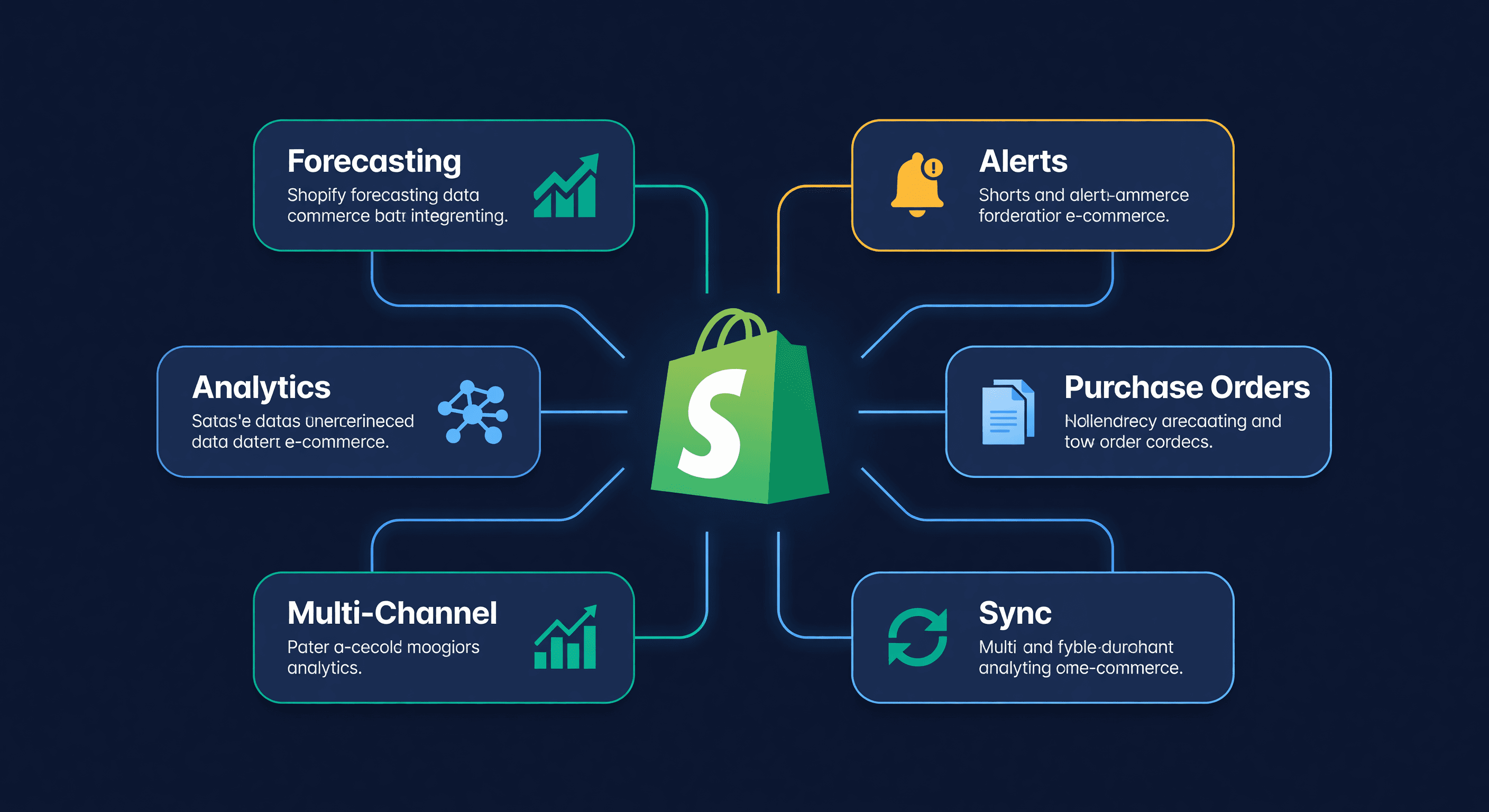
Inventory Planner Alternatives (2026)

Key takeaway: The best Inventory Planner alternative depends on why you are leaving. Leaving over price and you sell on Shopify only: Stockful at $19.99 a month. Leaving because you also sell on Amazon and Inventory Planner cannot plan an FBA shipment: ReplenishRadar at $99 a month, month to month. Leaving because the 12-month contract auto-renewed at a higher rate: every option here bills month to month except Zoho, whose headline price is annual, and Cin7, where the term varies by deal.
If you sell on Shopify only and you are leaving over price, use Stockful at $19.99 a month. If you also sell on Amazon, use ReplenishRadar at $99 a month, because it is the only tool in this comparison that builds the FBA inbound shipment instead of just reading Amazon demand. If you are leaving because your 12-month contract auto-renewed at a number nobody warned you about, every option below bills month to month except Zoho, which quotes an annual rate, and Cin7, where the term depends on the deal. Inventory Planner itself is a competent tool. Most people who leave are not leaving because it forecasts badly.
Why people actually leave
I have read a lot of switching threads and the reasons cluster into three, and only one of them is about forecast quality.
The first is renewal. Inventory Planner publishes one tier, Essentials, at $119.99 a month, and it covers a single Shopify warehouse. Above that you get a quote. The floor sits around $244.99 a month on a twelve-month contract that auto-renews and wants 30 days notice, and brands report renewal quotes well above what they signed for. That is the complaint I see most.
The second is Amazon. Inventory Planner will read your FBA demand and fold it into the forecast. It will not tell you how many units to send to which fulfillment center this week. If Amazon is a real channel for you, that gap is the whole job.
The third is time to value. Multi-warehouse means a demo, then implementation, then days or weeks of setup. Some catalogs deserve that. Most $2M Shopify stores do not.
The alternatives
| Tool | Best for | Price from | Contract | Amazon | Setup |
|---|---|---|---|---|---|
| ReplenishRadar | Shopify plus Amazon | $99/mo | Month to month | Native, builds FBA inbound plans | About 10 min |
| Stockful | Shopify only, tight budget | $19.99/mo | Month to month | No | Self-serve |
| Prediko | Shopify-only DTC | $49/mo under $100k GMV | Month to month | No | About 15 min |
| Sumtracker | Selling on 3 or more marketplaces | $59/mo, $119 to forecast | Month to month | Stock sync only | Self-serve |
| Zoho Inventory | Small catalogs already inside Zoho | Free to 50 orders, then $29/mo | Annual billing | Order and stock sync | Self-serve |
| Katana | Makers who assemble what they sell | Free to 30 SKUs, then $299/mo | Month to month | Stock sync, no FBA plans | Days |
| Veeqo | Shipping first, inventory attached | Free shipping, $19/mo inventory | Month to month | Deep, Amazon owns it | Self-serve |
| Cin7 | Wholesale alongside DTC | $349/mo | Varies | Add-on | 1 to 8 weeks |
Eight rows, and six of them are wrong for you. The paragraphs sort out which.
Stockful, if the problem is the bill
Nineteen dollars and change, forecasting, reorder points, purchase orders, Shopify only. If you are on Essentials at $119.99 for one Shopify warehouse and you do not sell anywhere else, this is a straight $100 a month saving for roughly the same job. The forecast is self-tuning, which means you cannot tinker with it the way Inventory Planner lets you. For most stores under a couple of thousand products that is a feature.
ReplenishRadar, if the problem is Amazon
We built the thing Inventory Planner does not: the FBA inbound plan. One forecast covers Shopify and Amazon together, then it splits the buy into what stays in your warehouse and what ships to FBA, and it accounts for receiving time per fulfillment center because Amazon's centers are not equally fast. Reorder points come from measured supplier lead times rather than the number you typed in a year ago, and purchase orders round to your supplier's minimums and case packs automatically. $99 a month, month to month, 14 days free, no call. Setup is about ten minutes because it is OAuth into Shopify and Seller Central and then it backfills.
Prediko, if you are Shopify-only and want AI to decide
$49 a month under $100k GMV, fast setup, and a forecast you cannot open up and inspect. That last part is the tradeoff. Some people want the number; some want to know why the number is what it is. If you are the first kind, Prediko is cheaper than Inventory Planner and quicker to start.
Cin7, if you are actually a wholesaler
$349 a month and one to eight weeks to implement. Nobody switches to Cin7 to save money. You switch because you run wholesale and DTC out of one stock pool and you need the whole operation in one system, which is a different problem from forecasting.
The ones I would not switch to for this
Sumtracker and Zoho are sync tools first. Sumtracker does forecast, but only on the $119 Replenish plan, and it is a twelve-month projection rather than the per-product tuning you are used to. Zoho gives you reorder points you set by hand. Katana is built for people who assemble products from components. Veeqo is shipping software Amazon gives away with inventory attached. All useful, none of them a like-for-like replacement for what Inventory Planner was doing for you.
What the switch actually costs
Run the arithmetic before you agonize over features. Say you are on the quote-based multi-warehouse tier at $244.99 a month, which is the floor, and your renewal came in higher.
| Line | Inventory Planner | ReplenishRadar |
|---|---|---|
| Monthly | $244.99 | $99 |
| Twelve months | $2,939.88 | $1,188 |
| Contract | 12 months, auto-renew | Month to month |
| Cost to leave early | Remainder of term | Nothing |
That is $1,751.88 a year, which for most stores is one mid-sized purchase order. The saving is real but it is not the argument. The argument is the last row. A month-to-month tool has to keep earning it, and a twelve-month auto-renew does not.
Migration itself takes an afternoon. Export your closed purchase orders to CSV before you cancel, because that history is what a new tool uses to measure your actual supplier lead times, and starting without it means typing guesses into a field that decides your reorder points. Everything else, products and stock levels, comes across from Shopify and Seller Central on its own.
How to pick in one minute
Start with Amazon, because it eliminates most of the table. Sell there and only ReplenishRadar builds the inbound plan, so the decision is already made. Otherwise the question is what you want to do with the forecast: inspect it and argue with it, in which case Stockful is the cheapest competent option, or hand it to a model and never open it, which is Prediko. Wholesale changes the answer entirely and puts you on Cin7 with eight weeks to budget.
Still not sure whether the forecast quality justifies any of this? Take your worst SKU, work out its reorder point by hand, and compare it to what your current tool says. If the two numbers are close, your problem is not the forecast and switching will not fix it.
Related Reading
Frequently Asked Questions
Get notified when it matters
Amazon and Shopify change the rules constantly. We'll email you when something affects your business.
See what your inventory is really doing
Doing $5M+ in revenue? Talk to our team
Related Posts
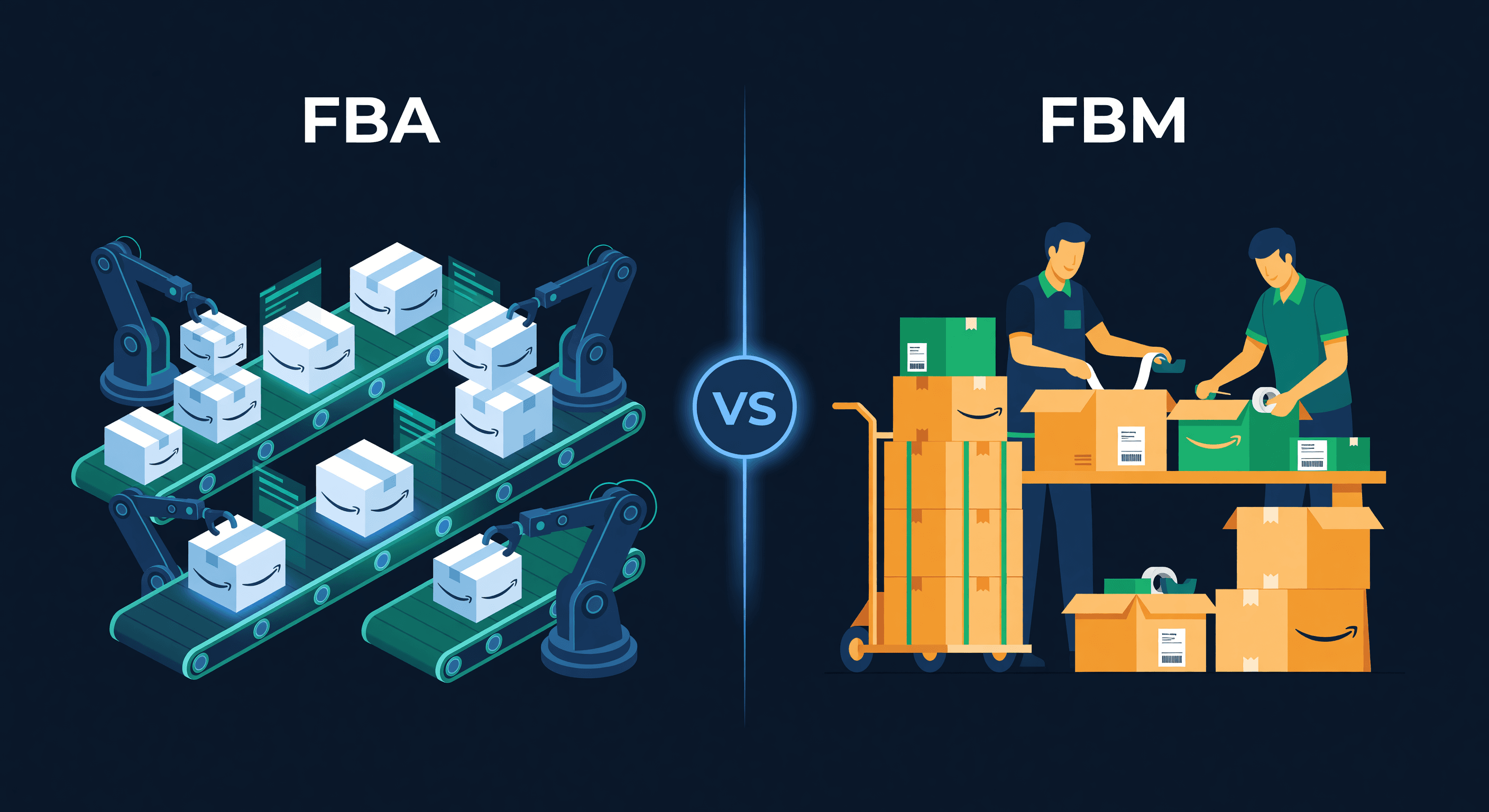
Amazon FBA vs FBM: Inventory Planning Guide
FBA vs FBM vs Seller Fulfilled Prime cost comparison with inventory planning differences. When each option wins and how to run hybrid.
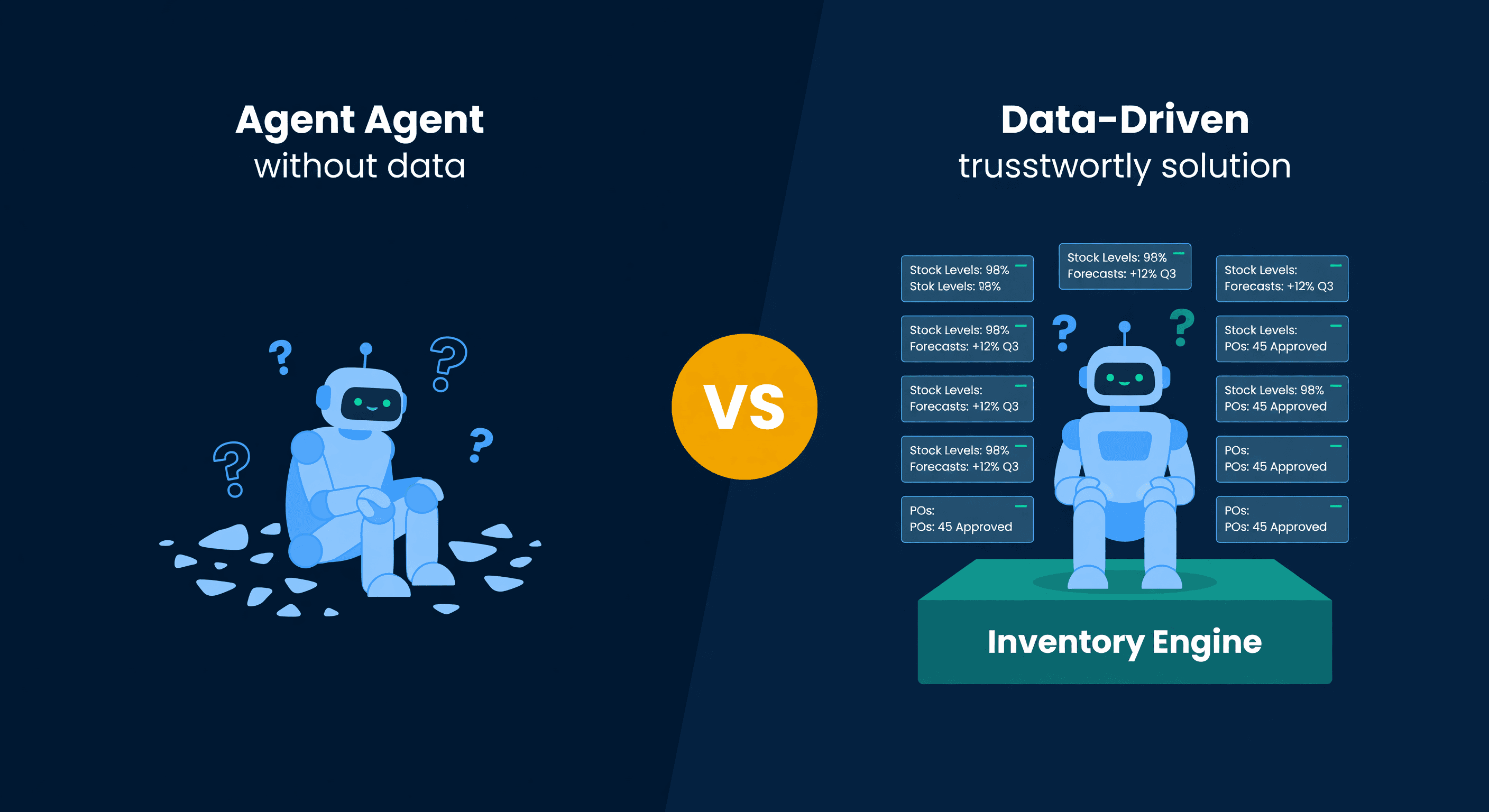
OpenClaw vs Inventory Software: Where AI Agents Fall Short
OpenClaw handles basic Shopify stock alerts but stops short on FBA lead times, multi-channel forecasting, and reorder math. The honest breakdown.
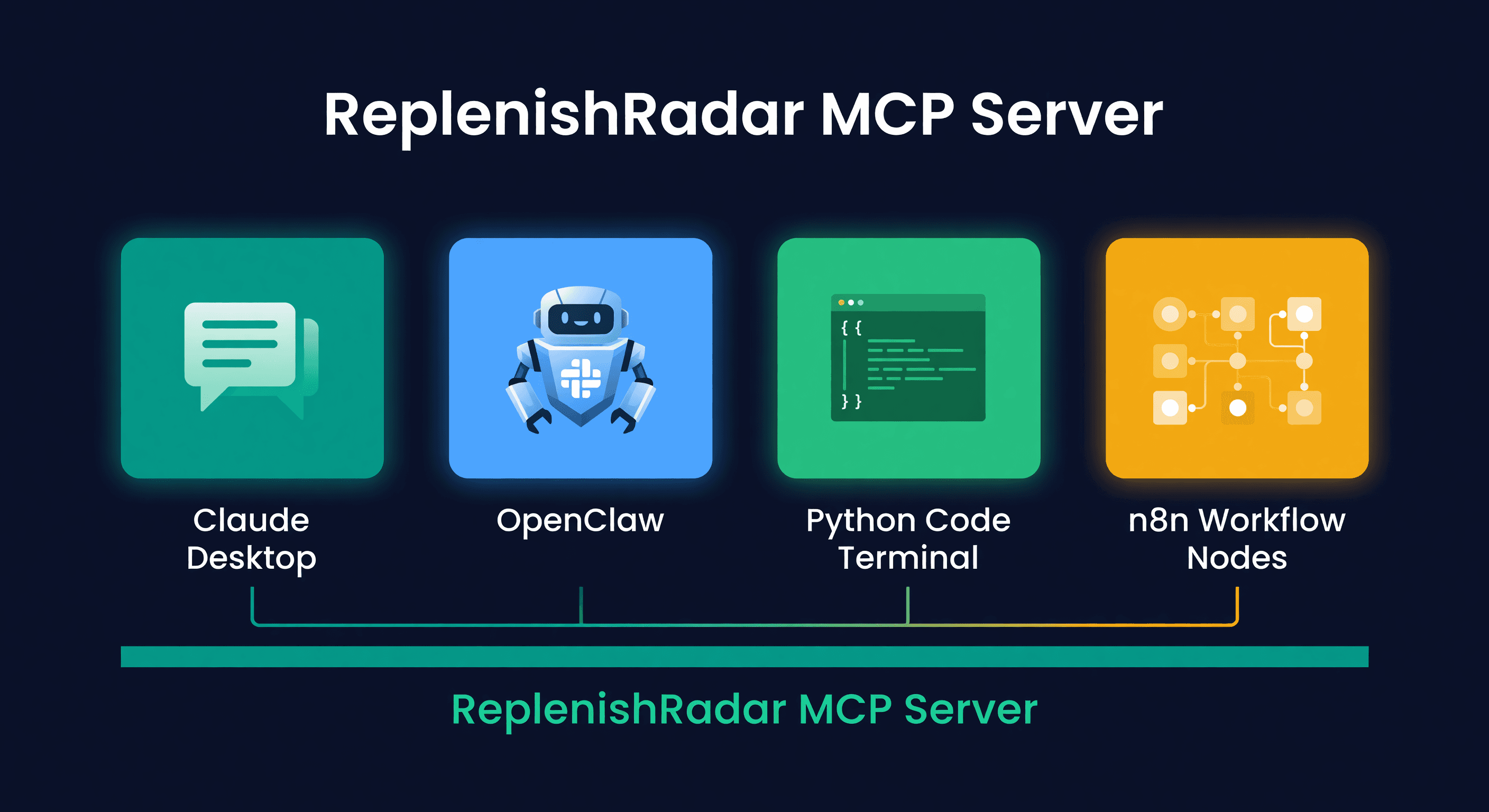
Best AI Agent Setup for Amazon and Shopify (2026)
Four ways to connect an AI agent to your inventory data. Claude Desktop, OpenClaw, custom Python, and n8n compared with honest pros and cons.
