Amazon's 2027 FBA Fee Changes: 28 Days Is the Floor
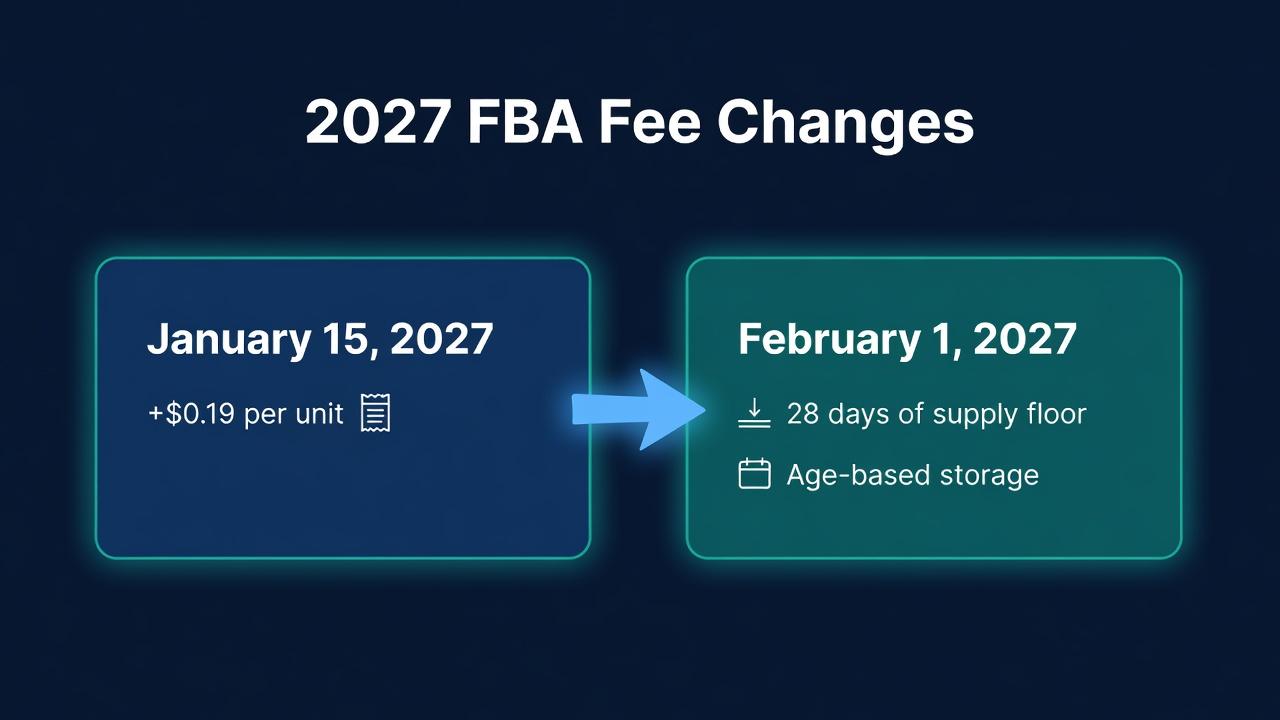
Amazon announced its 2027 FBA fee changes on November 5, 2026, and they come in two waves. On January 15, 2027, fulfillment fees go up. On February 1, 2027, the storage fees and the low-inventory-level fee get rebuilt. The second wave matters more for how you order.
We read Amazon's announcement, Update to US referral and Fulfillment by Amazon fees for 2027, on November 6, 2026. Every Amazon figure below comes from that page. The per-category and per-size-tier detail lives in Seller Central, in Amazon's 2027 fee summary, the Fee Change Comparison dashboard and the Revenue Calculator.
Here is the short version. Starting February 1, 2027, your FBA stock has a floor and a ceiling. The floor is 28 days of supply. The ceiling is six months. Plan every reorder to land between them.
The Two Dates
| Effective date | What changes | Amazon's stated effect |
|---|---|---|
| January 15, 2027 | FBA fulfillment fees | +$0.19 per unit sold on average, about 0.8% of average selling price |
| January 15, 2027 | Fuel and logistics surcharge | Unchanged |
| February 1, 2027 | Storage utilization surcharge | Eliminated |
| February 1, 2027 | Aged inventory surcharge and monthly storage | Merged into one age-based rate |
| February 1, 2027 | Low-inventory-level fee | Applies only below 28 days of supply |
Amazon's announcement also covers referral fees. We are leaving those out on purpose. They vary by category, and the category tables in Seller Central are the only place to read your own number.
January 15, 2027: Fulfillment Fees Go Up $0.19
Amazon puts the increase at $0.19 per unit sold, about 0.8% of the average item's selling price. That is an average. Amazon says some fees go up and some go down, depending on size, weight and price, so your catalog will land somewhere other than $0.19.
Run the volume math anyway. Illustrative assumptions: a seller ships 10,000 units a month and pays exactly the $0.19 average. That is $1,900 a month, or $22,800 over a year. For comparison, January 2026's increase averaged $0.08 a unit (our 2026 fee increase breakdown has the history), so this one is more than twice the size.
The fuel and logistics surcharge stays where it is. Amazon says the fuel and trucking costs behind it are still elevated and that it will keep reviewing it. No end date, then.
The response is simple. Open the Fee Change Comparison dashboard in Seller Central, sort by the largest per-unit increase, and reprice the SKUs where the 2027 fee takes net margin under your floor. That is a pricing job. The February changes are an inventory job.
February 1, 2027: Storage Becomes an Age Question
Two things happen to storage on the same day.
The storage utilization surcharge goes away. Amazon says removing it makes stocking up before high-demand events easier. Good. A pre-peak build is exactly the stock that keeps you selling through the peak, and it should not cost extra just for arriving early.
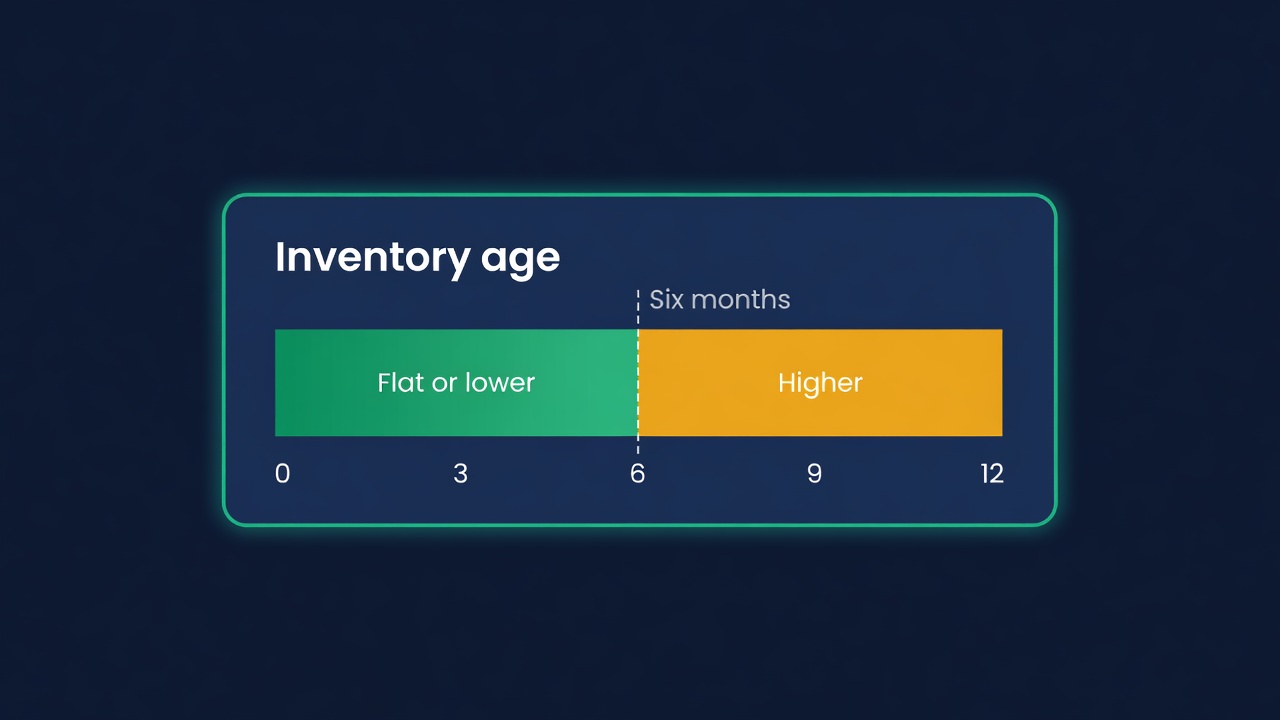
The aged inventory surcharge also goes away as a separate line. Amazon folds it into monthly storage to make one rate that depends on how long the inventory has been stored. Amazon's own summary: flat or lower fees for inventory that turns in under six months, higher fees for aged inventory. The rate table is in Seller Central. We will not guess at it here.
Read that as a ceiling. Under six months, storage gets cheaper or stays put. Past six months, it costs more. Our long-term storage fee guide covers the aged-inventory rules that apply until February 1, 2027.
February 1, 2027: The 28-Day Floor
This is the headline change. Until February 1, 2027, Amazon assesses the low-inventory-level fee on trailing 30-day and 90-day sales. Starting February 1, 2027, the fee applies only when your inventory falls below 28 days of supply, measured on actual shipments in the four weeks before and the four weeks after the assessment date.
Two consequences follow, and they pull in opposite directions.
The first is good news. A demand spike that drains your stock for a week, or an end-of-season SKU you are deliberately running down, is less likely to trip the fee. Amazon says that is the point: target the SKUs that genuinely need restocking.
The second catches people. The window looks forward as well as back. You cannot run thin for a month and count on a healthy history to cover you, because the four weeks after the assessment date count too. A rebuild that lands late still shows up as weeks below 28 days.
So 28 days is no longer a number you hope to stay near. It is the minimum your stock should ever reach.
The Floor Changes Your Reorder Point
The textbook reorder point is lead time demand plus safety stock. Our safety stock guide walks through the safety stock half. That formula assumes you are happy to receive the next shipment just as the shelf hits your safety stock. Under the February rule, you are not. You want the shipment to land with 28 days still on hand.
So add the floor to the lead time:
Reorder point = daily demand x (28 + lead time in days) + safety stock
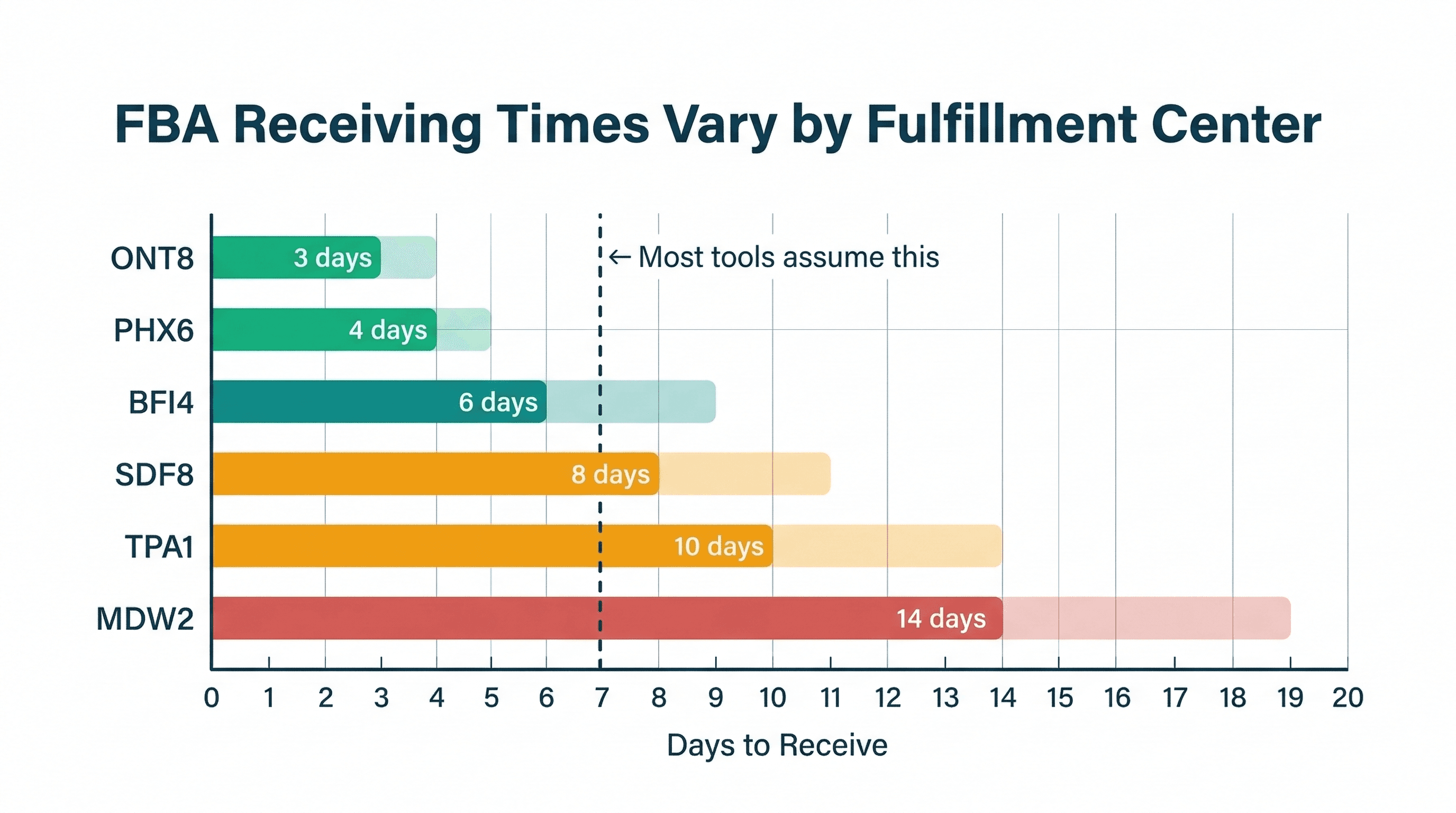
Lead time here means the whole trip: supplier production, freight, and the days FBA takes to receive and make units available. Leave out the receiving days and the floor is fiction.
Illustrative assumptions: a SKU sells 40 units a day, the full lead time is 35 days, safety stock is 400 units, and each unit costs $8 landed.
| Without the floor | With the 28-day floor | |
|---|---|---|
| Demand covered | 40 x 35 = 1,400 units | 40 x 63 = 2,520 units |
| Safety stock | 400 units | 400 units |
| Reorder point | 1,800 units | 2,920 units |
| Extra inventory | 1,120 units, $8,960 at $8 a unit |
Illustrative numbers, not real data.
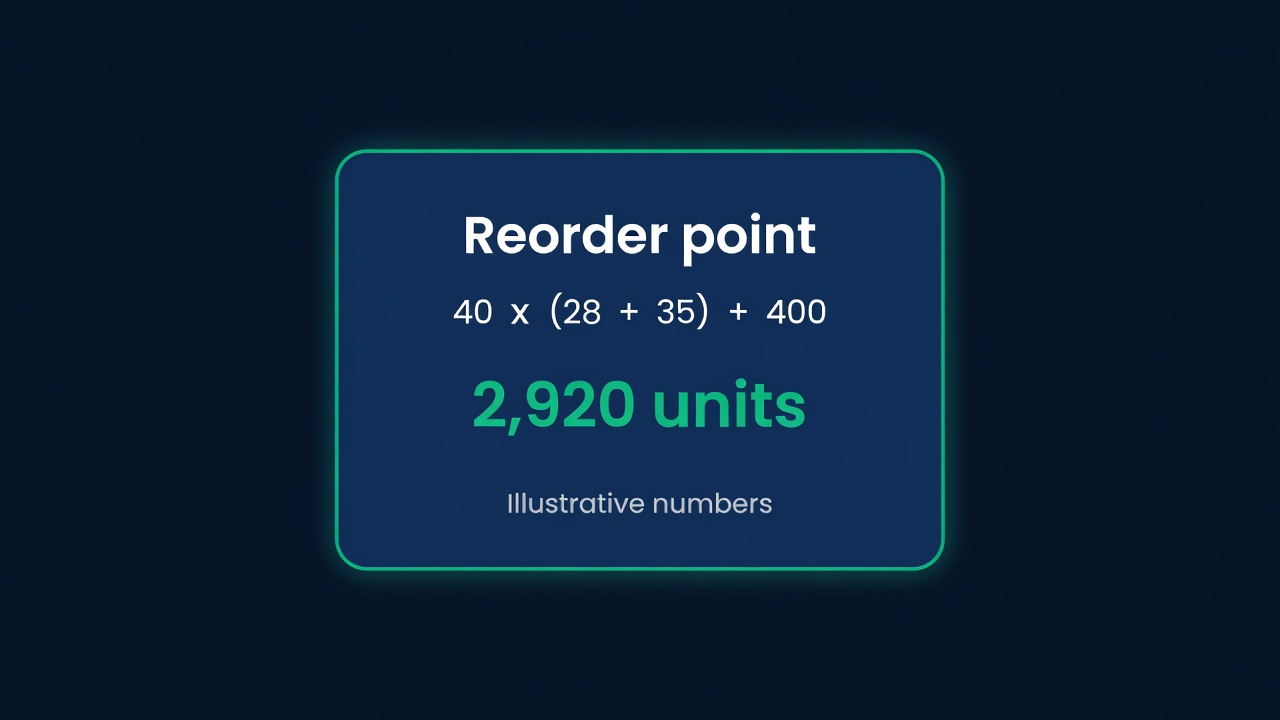
That $8,960 is the price of the floor on one SKU. It is cash sitting in inventory. The cost scales with daily demand times unit cost, so check your top sellers first. That is where the floor ties up the most cash, and where a fee on every shipped unit would cost the most too.
Is 28 exactly the right number? No. Use 28 plus a margin you can defend, because demand rarely runs at its average for four straight weeks. We would rather see a few extra days of stock than a fee on every unit that ships in a slow-restock month.
The Six-Month Ceiling Caps Your Order Size
The floor tells you when to order. The age-based storage rate tells you how much is too much.
Same illustrative SKU, 40 units a day. If units sell first in, first out, the last unit of a shipment waits for the floor stock and the safety stock ahead of it. Under six months, about 180 days, that leaves 180 - 28 - 10 = 142 days of demand for the shipment itself, or 5,680 units. That is the absolute outer limit, and it assumes demand never dips.
Do not plan to the limit. A forecast that runs 20% high on a 142-day shipment leaves the tail of it past six months, at the higher rate. Our recommendation: cap a single FBA shipment at about 90 days of demand, 3,600 units for this SKU. With 38 days of stock ahead of it, the last unit sells around day 128 on plan, and still inside six months if demand runs 20% short. You can always send more on the next cycle.
The planning window from February 2027 is simple to state. Never under 28 days. Nothing older than six months. Everything else is order timing.
Where the Spreadsheet Breaks
On paper, this is two numbers per SKU. In practice, it is a daily demand rate that moves, a lead time that moves, and FBA receiving times that vary by fulfillment center. A reorder point that was right in March is wrong by June. Recompute it every few weeks by hand, across a few hundred SKUs, and something slips.
That is the part we built ReplenishRadar to take off your desk. It reads your Amazon and Shopify sales, works out days of supply for every SKU at FBA, and recommends how much to send and when, with supplier lead time and FBA receiving time in the math. When demand shifts, the recommendation shifts with it, so you see the SKU heading under the floor while there is still time to ship.
Try ReplenishRadar free for 14 days
The fee changes are small per unit and large per catalog. The cheapest response is a reorder point with the 28 days already built in.
Related Reading:
Frequently Asked Questions
Get notified when it matters
Amazon and Shopify change the rules constantly. We'll email you when something affects your business.
See what your inventory is really doing
Doing $5M+ in revenue? Talk to our team
Related Posts
FBA Receiving Times by Fulfillment Center
Amazon FBA receiving times vary wildly by fulfillment center. Here's what the data shows and why a single lead time estimate is costing you money.
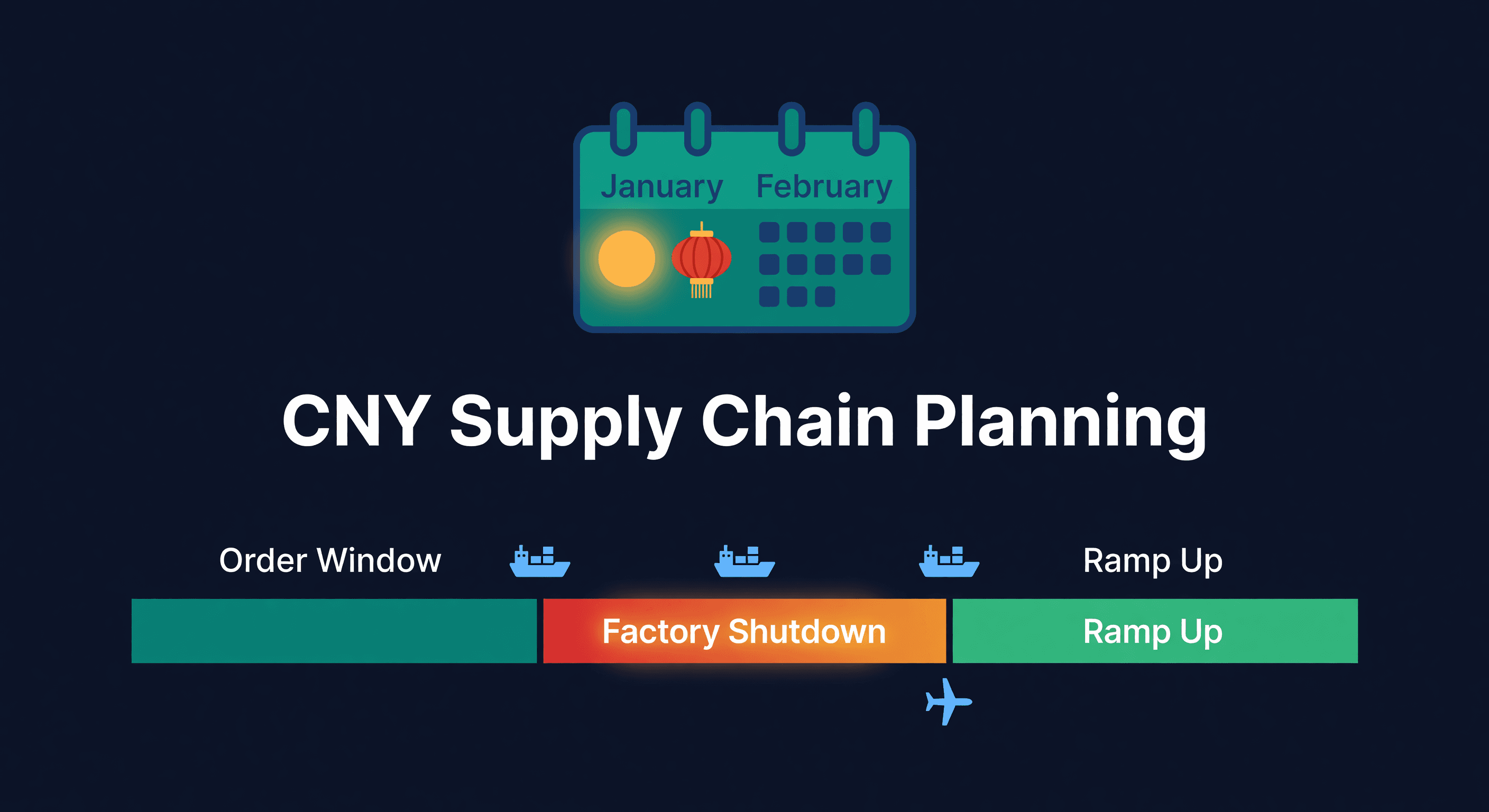
Chinese New Year Supply Chain Planning Guide
How to plan inventory around Chinese New Year factory shutdowns. Timelines, buffer calculations, and the mistakes that leave sellers out of stock for 6 weeks.
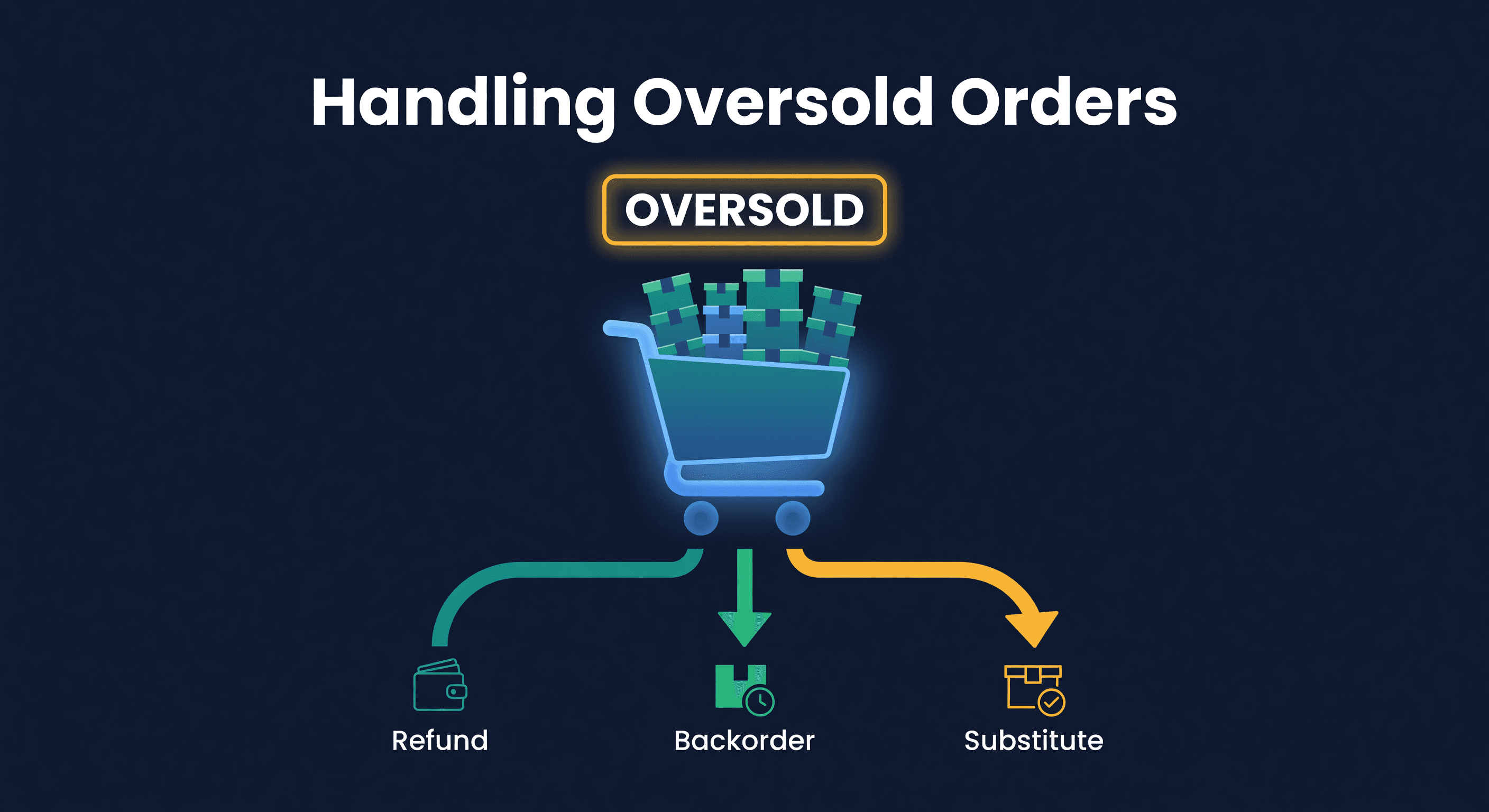
How to Handle Oversold Orders in E-commerce
Why overselling happens on multi-channel stores, what it costs you, and the prevention strategies that actually work, from buffer stock to real-time push sync.
