Amazon FBA Fee Increases for 2026: What Changed
Amazon Just Made FBA More Expensive. Again.
Amazon published its 2026 FBA fee schedule in mid-November 2025, and the direction is exactly what you'd expect. Everything costs more. Not dramatically more - this is not a 20% hike - but the cumulative effect across fulfillment, storage, and removal fees adds up fast for mid-size sellers.
I went through the full rate card. Here is what actually matters.
Fulfillment Fee Changes
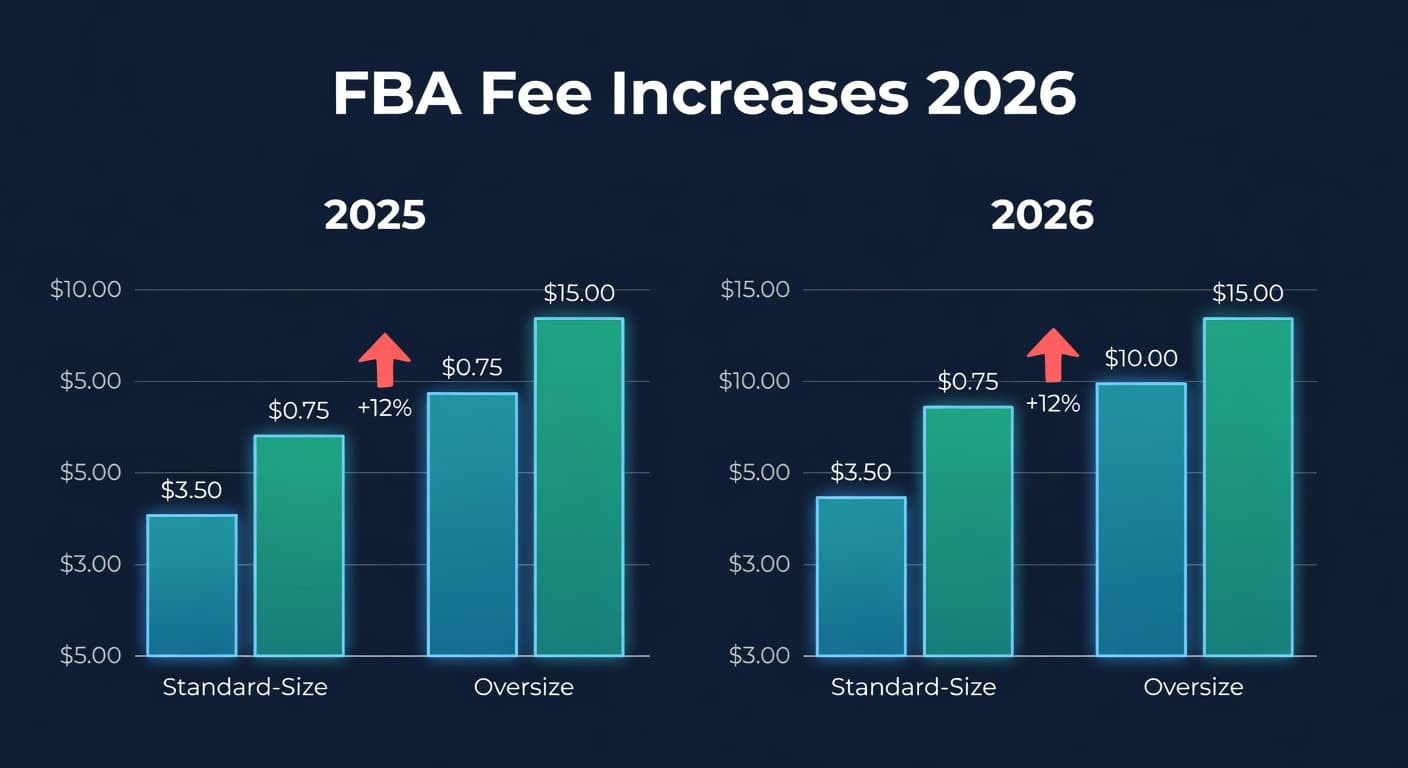
The per-unit fulfillment fee is going up across every size tier. Standard-size items see $0.04 to $0.08 more per unit. Oversize gets hit harder at $0.07 to $0.15.
| Size Tier | 2025 Rate (Example) | 2026 Rate | Increase |
|---|---|---|---|
| Small standard (6 oz or less) | $3.22 | $3.27 | +$0.05 |
| Large standard (1 lb) | $4.75 | $4.82 | +$0.07 |
| Large standard (2 lb) | $5.42 | $5.50 | +$0.08 |
| Small oversize | $9.73 | $9.84 | +$0.11 |
| Large oversize | $15.68 | $15.83 | +$0.15 |
On a per-unit basis, these look small. But do the math on volume. A seller shipping 10,000 standard-size units per month at a $0.07 average increase pays an extra $8,400 per year. That is not rounding error.
Storage Rate Changes
Monthly storage rates are increasing 4-6% depending on the quarter and size tier. The biggest jumps are in Q4, which is Amazon's way of saying "stop parking slow inventory at FBA during peak season."
| Period | 2025 Standard (per cu ft) | 2026 Standard | Change |
|---|---|---|---|
| Jan-Sep | $0.87 | $0.91 | +4.6% |
| Oct-Dec | $2.40 | $2.54 | +5.8% |
For oversize items, Q4 storage went from $1.40 to $1.48 per cubic foot. If you have 500 cubic feet of oversize inventory sitting at FBA through Q4, that is an extra $40/month. Annoying, not devastating. But combined with the fulfillment increases, the total cost of FBA keeps climbing.
Removal and Disposal Costs
Amazon also raised removal order costs by roughly $0.10-$0.15 per unit across size tiers. This makes cleaning out dead stock more expensive, which is frustrating because it creates a perverse incentive to let slow inventory sit - exactly the behavior Amazon penalizes with aged inventory surcharges.
I have seen sellers delay removal orders because of the per-unit cost, only to get hit with long-term storage fees that dwarf the removal expense. Don't fall into that trap. The math almost always favors removing dead stock sooner.
What This Means for Your Margins
Here is the real question: does FBA still make financial sense for your catalog?
For most sellers, yes. The math on FBA - Prime eligibility, Buy Box advantage, customer trust, shipping speed - still pencils out for products with decent margins and velocity. Where it breaks down is on low-margin items selling fewer than 5 units per month. Those SKUs were already marginal, and another $0.05-$0.08 per unit might push them underwater.
I would run this exercise on your catalog right now:
- Pull your FBA fee preview report from Seller Central
- Calculate your net margin per unit after the 2026 rates
- Flag every SKU where net margin drops below 15%
- For those SKUs, compare FBA total cost against FBM or 3PL fulfillment
You will probably find 10-20% of your catalog where FBA is no longer the right fulfillment channel. That is not a failure. That is allocation.
Three Moves to Make Before January
Trim storage days. If you are carrying 60+ days of supply at FBA, you are paying for convenience you don't need. Target 30-45 days. Send smaller, more frequent shipments. Yes, this increases inbound complexity. It also cuts your storage bill by 30-50%.
Split your fulfillment. Your top 20% of SKUs by velocity should stay in FBA. Your bottom 30% might belong in a 3PL or your own warehouse with FBM. The middle 50% is where the analysis matters.
Recalculate your pricing. A $0.07 per-unit increase on a $15 product is a 0.5% margin hit. On a $8 product, it is nearly 1%. If you haven't adjusted prices since 2024, you are absorbing two years of fee increases.
ReplenishRadar and FBA Cost Planning
We built ReplenishRadar to track the actual cost of holding and moving inventory through FBA. When fees change, your reorder quantities and days-of-supply targets need to adjust too. Most sellers update their pricing but forget to update their inventory plan. That gap is where margin disappears.
ReplenishRadar recalculates reorder suggestions when your cost inputs change. You update the fee, the system adjusts how much to send and when. No spreadsheet to remember.
Try ReplenishRadar free for 14 days
Related Reading:
Frequently Asked Questions
Get notified when it matters
Amazon and Shopify change the rules constantly. We'll email you when something affects your business.
See what your inventory is really doing
Doing $5M+ in revenue? Talk to our team
Related Posts
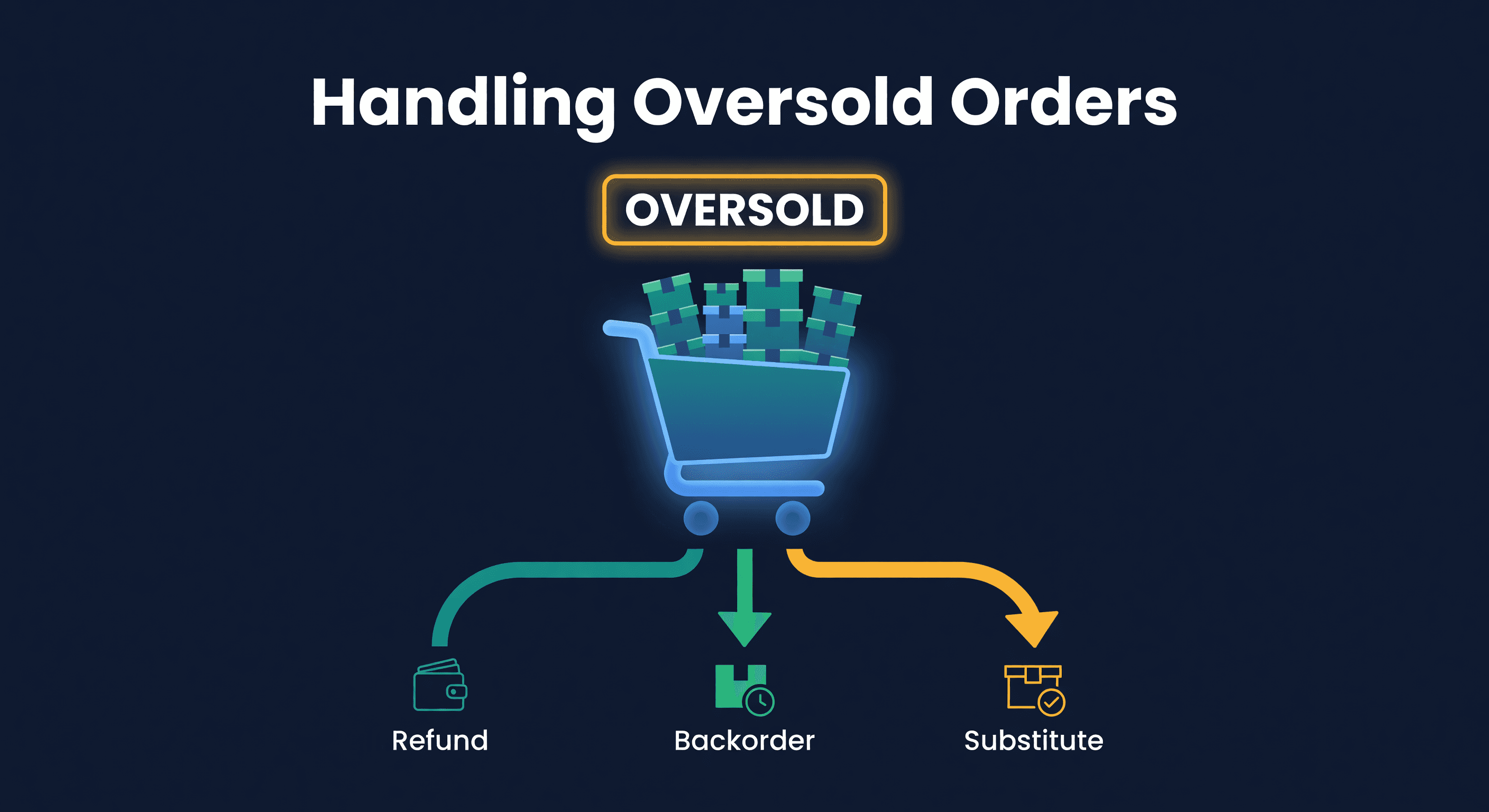
How to Handle Oversold Orders in E-commerce
Why overselling happens on multi-channel stores, what it costs you, and the prevention strategies that actually work, from buffer stock to real-time push sync.
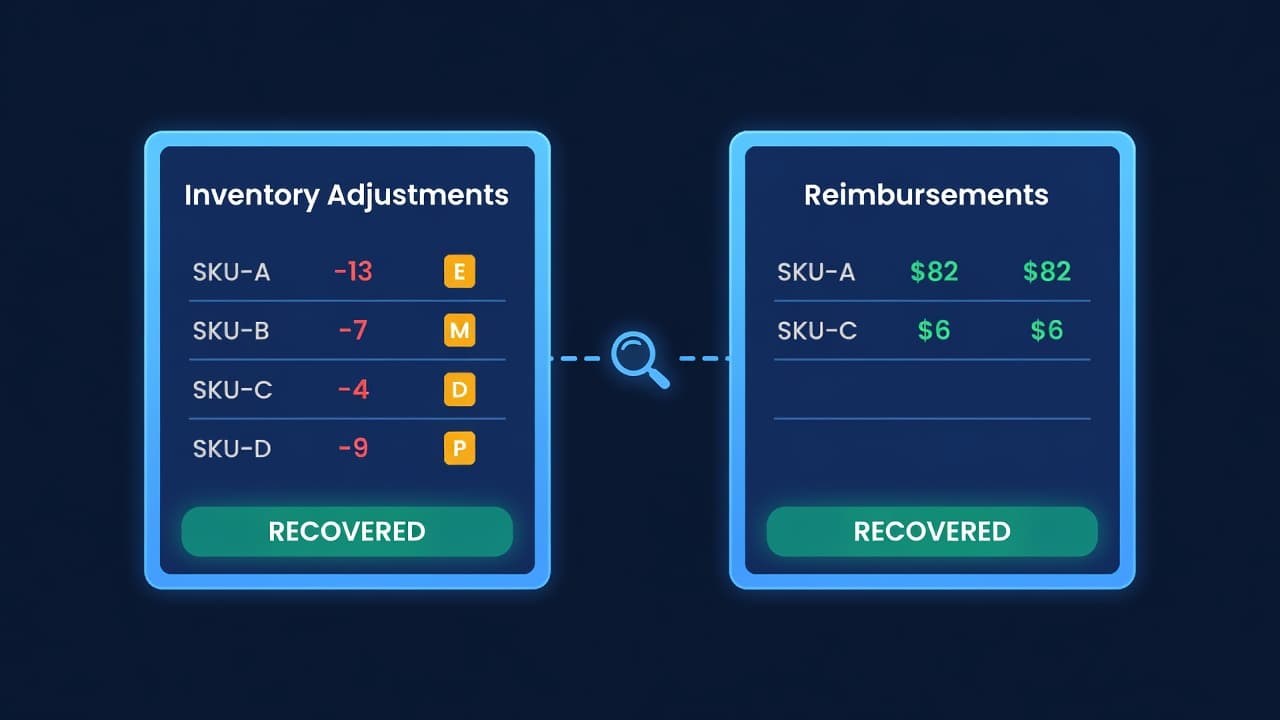
Amazon Lost Inventory: How to Get Reimbursed
How to find lost or damaged FBA inventory, file reimbursement claims with Amazon, and stop leaving 1-3% of your FBA revenue on the table.
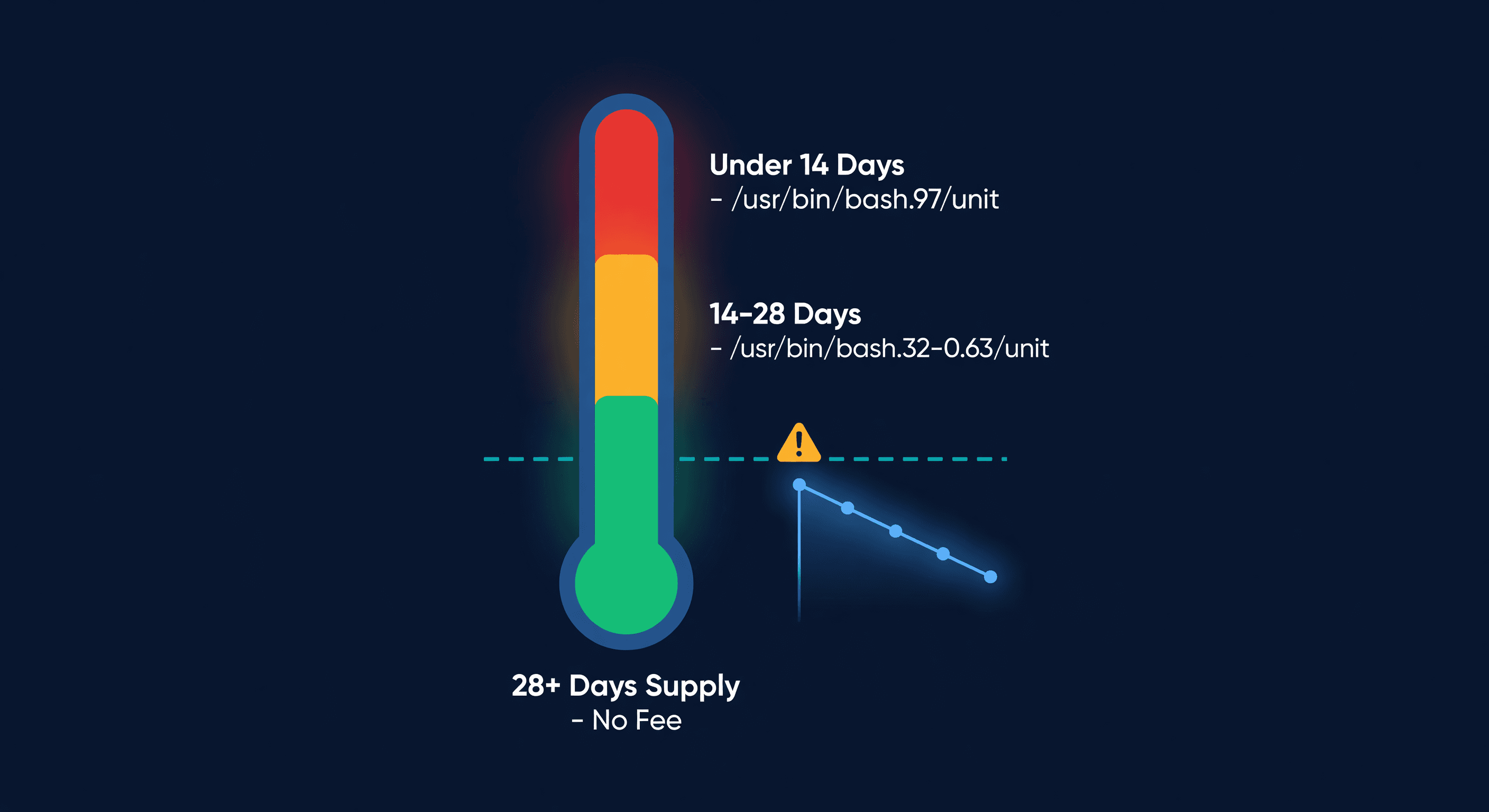
Amazon Low-Inventory-Level Fee Explained
How Amazon's low-inventory-level fee works, which products are exempt, fee amounts by days of supply, and how to avoid it without triggering storage fees.
