FBA 2026 Fee Survival Guide for Small Sellers

$0.36 Per Unit Does Not Sound Like Much
It is not much. On one unit. On one order.
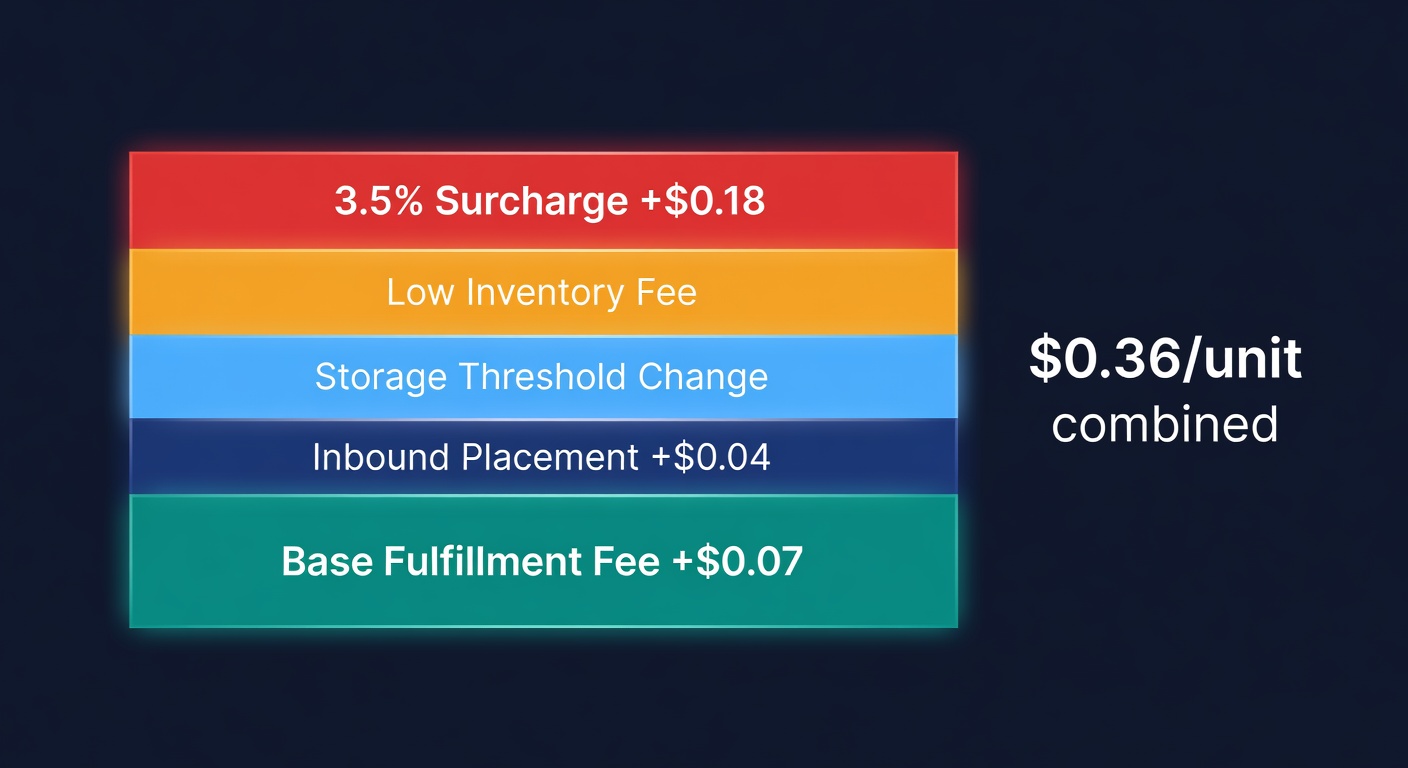
But $0.36 times 5,000 units a month is $1,800. Times twelve months is $21,600. That is a part-time employee. Or a year of software. Or the profit margin on your bottom 15% of SKUs. Gone.
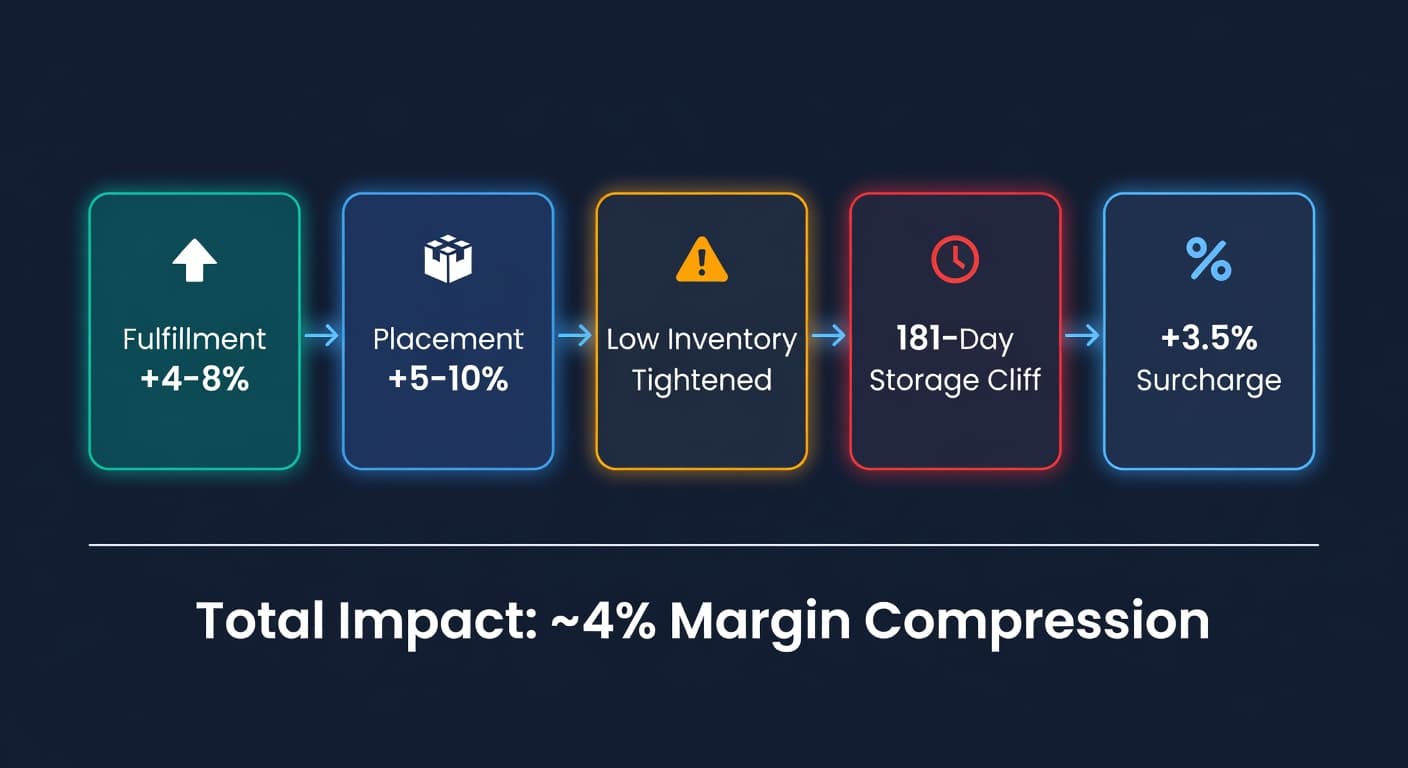
Amazon rolled out five separate fee changes between January and April 2026. None of them were dramatic on their own. Stacked together, they compress margins roughly 4% for small-to-mid FBA sellers. I have been talking to sellers in the $50K-$500K annual FBA revenue range, and the ones who got ahead of this are fine. The ones who did not are now doing panicked per-SKU profitability audits.
This post pulls every 2026 change into one place. Not the detailed breakdowns. We have individual posts for each fee. This is the consolidated playbook: what changed, how much it costs you, and what to do about it.
The Five Fee Changes, Stacked
Here is what happened, in order:
| Change | Effective Date | Impact |
|---|---|---|
| Fulfillment fee hike | Jan 15, 2026 | +$0.04-$0.15/unit depending on size tier |
| Inbound placement fee increase | Jan 2026 | +$0.02-$0.11/unit for minimal-split shipments |
| Low-inventory fee tightened | Feb 17, 2026 | Higher per-unit rates, 30-day window weighted more |
| Aged storage threshold moved to 181 days | 2026 | Surcharge starts 90 days earlier than old 271-day mark |
| 3.5% fulfillment surcharge | Apr 17, 2026 | 3.5% on top of already-higher fulfillment fees |
None of these are individually devastating. All of them hit the same P&L line.
Amazon Killed Prep. That Is Actually Good News.
Amazon ended its US-based FBA prep service in January 2026. If you were paying Amazon $0.55 per unit to label, poly-bag, or bundle your products, that option no longer exists.
The silver lining: third-party prep centers do it cheaper. I have seen quotes from $0.15 to $0.40 per unit depending on the complexity of the prep work. Labeling only runs on the low end. Poly-bagging plus labeling plus inspection sits around $0.25-$0.30. Full kitting or bundling is where you hit $0.40.
| Prep Type | Amazon (Old) | 3P Prep (2026) | Savings |
|---|---|---|---|
| FNSKU labeling only | $0.55 | $0.15-$0.20 | 64-73% |
| Poly-bag + label | $0.55 | $0.25-$0.30 | 45-55% |
| Bundle/kit + label | $0.55 | $0.35-$0.40 | 27-36% |
The catch: you need to find a reliable prep center. A bad one creates more problems than it solves. Mislabeled units, wrong ASINs, shipments rejected at receiving. I would ask for references from other FBA sellers in your category, start with a small test batch (100-200 units), and verify the work before scaling up.
If you are doing prep in-house, the equation is different. Your cost is labor time. For sellers doing under 500 units per month, doing it yourself is often cheaper than any 3P option. Above 1,000 units per month, the time cost usually tips in favor of outsourcing.
Inbound Placement: Stop Defaulting to One FC
The inbound placement fee went up again. If you are still shipping everything to a single fulfillment center because it is easier, you are overpaying by a wide margin.
Quick refresher: Amazon wants your inventory spread across 3-5 FCs. If you send to one and make them redistribute, you pay a placement fee per unit. If you split the shipments yourself, the fee drops to zero.
The math on a 2,000-unit shipment of 1 lb standard-size items:
- One FC (minimal splits): $0.44/unit placement fee = $880, plus ~$320 shipping = $1,200 total
- Four FCs (Amazon-optimized splits): $0 placement fee, plus ~$680 shipping = $680 total
That is $520 saved on a single shipment. Twelve restocks a year and you are keeping $6,240 that would have gone to Amazon.
The extra prep time for splitting four shipments instead of one? About 30-45 minutes. At $520 per occurrence, that is an effective hourly rate of $700+.
Read the full inbound placement breakdown for the updated rate card and the partial-split tier Amazon added this year.
The 181-Day Cliff
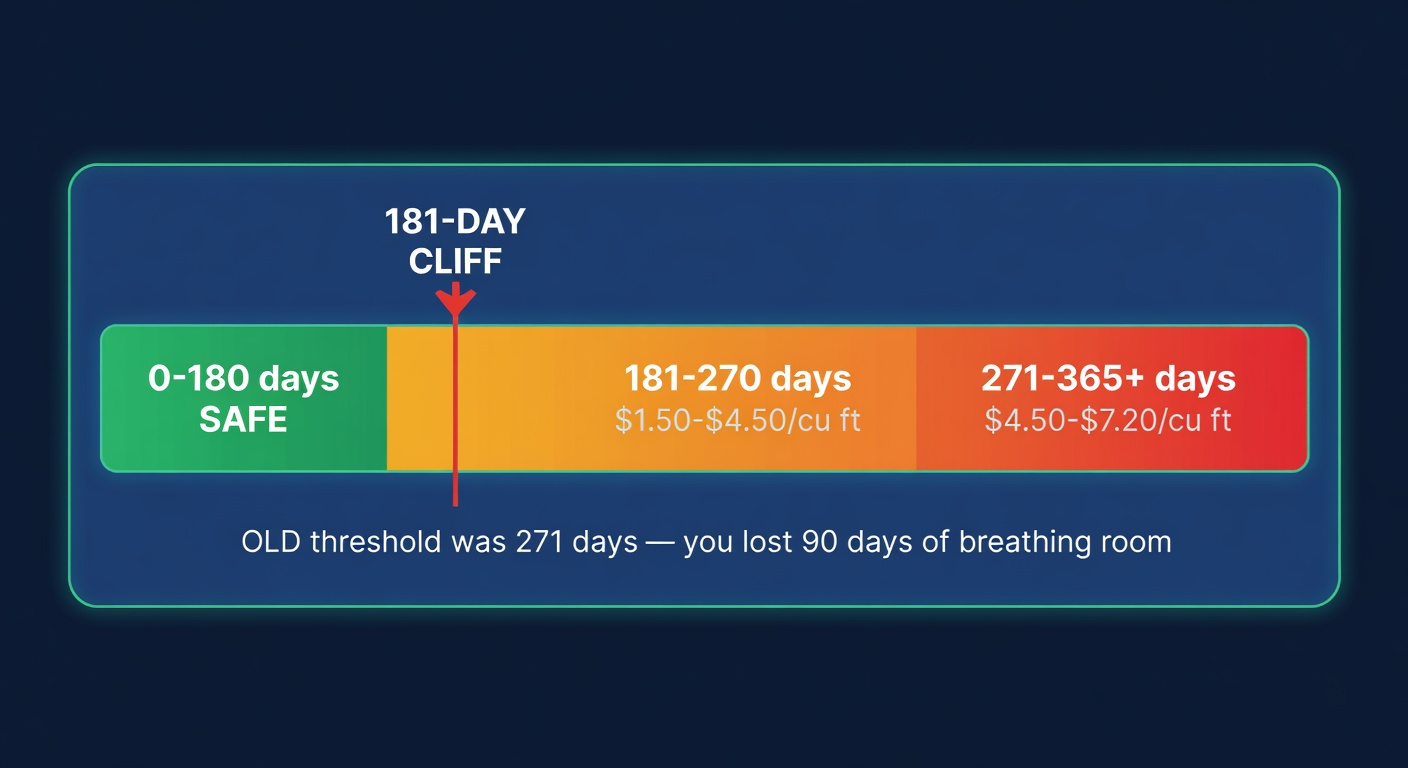
This is the change that catches sellers off guard. Amazon moved the aged inventory surcharge threshold from 271 days to 181 days. That is 90 fewer days before penalties start.
The old math: you had nine months to sell through inventory before surcharges hit. The new math: six months. For seasonal products or slower-moving SKUs, that window is tight.
Here is what the surcharge looks like once you cross 181 days:
| Inventory Age | Monthly Surcharge (per cu ft) | Per Unit (at 0.25 cu ft) |
|---|---|---|
| 181-210 days | $1.50 | $0.38 |
| 211-270 days | $3.00-$4.50 | $0.75-$1.13 |
| 271-330 days | $4.50-$6.00 | $1.13-$1.50 |
| 331-365 days | $6.90 | $1.73 |
| 365+ days | $7.20 | $1.80 |
That is on top of regular monthly storage fees. A unit sitting at FBA for 10 months costs more in storage penalties than most sellers paid the supplier for it.
The fix is not complicated, but it requires planning. You need to know two things: how fast each SKU sells and how much you have at FBA. If a SKU has 200 units on hand and sells 1 per day, it will hit the 181-day mark. That is a problem you can see coming six months in advance, if you are looking.
Most sellers I talk to are not looking. They restock when inventory gets low and hope the ratios work out. Hope is not a strategy when Amazon charges $1.80 per cubic foot per month for the privilege of storing your mistakes.
The Surcharge Math on a $24.99 Item
The 3.5% fulfillment surcharge applies to every FBA unit you sell. Here is what it costs at different monthly volumes for a typical 1-1.5 lb standard-size item with a base fulfillment fee around $5.16:
| Monthly Volume | Surcharge Per Unit | Monthly Cost | Annual Cost |
|---|---|---|---|
| 100 units | $0.18 | $18 | $216 |
| 500 units | $0.18 | $90 | $1,080 |
| 1,000 units | $0.18 | $180 | $2,160 |
| 5,000 units | $0.18 | $900 | $10,800 |
$0.18 looks like nothing. $10,800 looks like a problem. And this is one SKU. If you have 50 SKUs averaging 200 units per month, the surcharge across your catalog runs about $21,600 annually.
Amazon calls this temporary. They said the same thing about the 5% fuel surcharge in April 2022. That one got folded into permanent rate increases during the next annual update. I am planning my margins as if this is forever.
The full surcharge breakdown covers the per-tier rates and how it changes your EOQ calculations.
Net Margin: Before and After
Here is where it gets uncomfortable. A worked example of a typical small-seller SKU with all the 2026 changes applied:
Product: 1.5 lb item, $24.99 sale price, 500 units/month
| Line Item | 2025 | 2026 | Change |
|---|---|---|---|
| Sale price | $24.99 | $24.99 | $0.00 |
| Referral fee (15%) | -$3.75 | -$3.75 | $0.00 |
| Fulfillment fee | -$5.16 | -$5.34 | -$0.18 |
| Inbound placement (avg) | -$0.40 | -$0.44 | -$0.04 |
| Monthly storage (avg) | -$0.12 | -$0.13 | -$0.01 |
| COGS | -$8.00 | -$8.00 | $0.00 |
| Prep (now 3P) | -$0.55 | -$0.30 | +$0.25 |
| Net margin per unit | $7.01 | $7.03 | +$0.02 |
Wait. The net margin went up by two cents?
Almost. The prep savings from switching to 3P offset the fee increases on this particular SKU. But that only works if you actually switch prep. Sellers who lost Amazon's prep service and have not found a 3P replacement are eating the full fee stack without the offset.
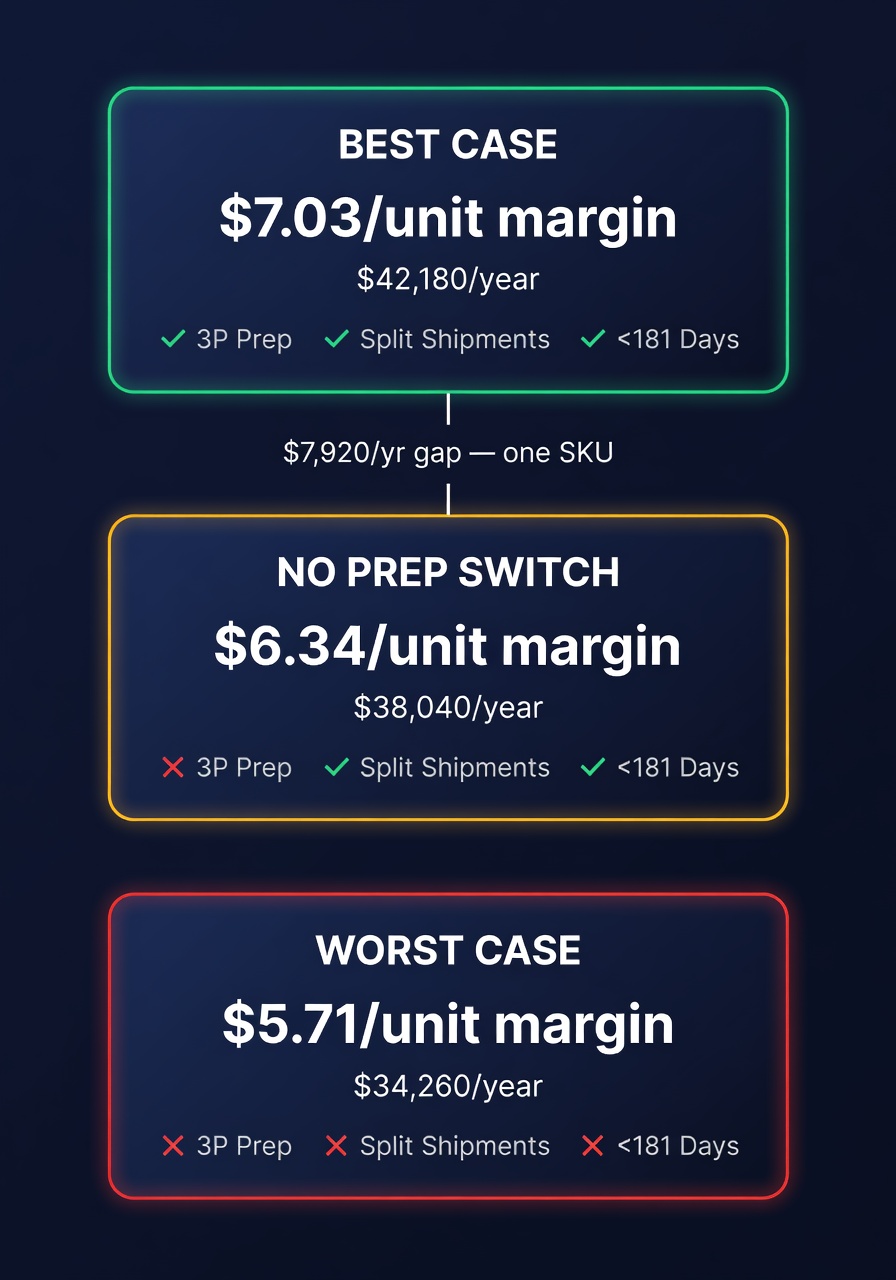
And this example assumes you are splitting shipments (lower placement fee) and keeping inventory under 181 days (no aged surcharge). The moment you slip on either of those, the math flips:
| Scenario | Net Margin Per Unit | Annual on 500/mo |
|---|---|---|
| Best case (3P prep, split shipments, <181 days) | $7.03 | $42,180 |
| No prep switch, one-FC shipments | $6.34 | $38,040 |
| All that, plus 20% of stock hits 200 days | $5.71 | $34,260 |
The difference between the best case and the worst case is $7,920 per year. On one SKU. Scale that across 30 SKUs and you are looking at over $200K in annual margin variance depending on how well you manage these fees.
The Two-Sided Trap
Amazon now penalizes you for having too little inventory and too much. The safe zone:
- Below 28 days of supply: Low-inventory-level fee ($0.36-$1.11 per unit sold)
- 28-60 days of supply: No penalty fees
- Above 181 days: Aged inventory surcharge ($0.50+ per unit per month)
That is a 32-day window between the low end and the start of penalties, and a 153-day window before the high end bites. Miss on either side and Amazon takes a cut of your margin that did not exist two years ago.
The sellers who manage this well are not smarter. They just measure. They know their days of supply per SKU. They know their sell-through velocity. They know when a SKU is trending toward either boundary.
We built ReplenishRadar to track exactly this. The system monitors days of supply per SKU against both thresholds: the low-inventory floor at 28 days and the aged-inventory ceiling approaching 181 days. When a SKU trends toward either boundary, you get an alert before Amazon charges you, not after. The manual version of this monitoring is a spreadsheet you update weekly and hope you remember to check. We have watched sellers save thousands per quarter just by not crossing thresholds they did not know they were approaching.
Try ReplenishRadar free for 14 days
The Survival Checklist
Here is what I would do this week if I were running a $50K-$500K FBA operation:
Today:
- Find a 3P prep center if you have not already. Get quotes. Send a test batch.
- Switch to Amazon-optimized splits for your next inbound shipment. Just try it once and compare the cost.
This month: 3. Run the net margin calculation above on your top 20 SKUs. Flag any under 15% net margin. 4. Check your FBA Inventory Age report in Seller Central. Remove or liquidate anything over 150 days.
Ongoing: 5. Set restock triggers at 28-30 days of supply. Not 14. Not "when it feels low." 6. Track per-SKU days of supply. The penalty fees are per-ASIN, so your account-level averages hide the problem.
The sellers who treated 2026 fees as a one-time annoyance in January already got surprised again in April. This is not one change. It is five changes, and Amazon is not done.
Related Reading
- Amazon FBA Fee Increases for 2026. Full rate card comparison.
- Amazon's 3.5% FBA Surcharge: Per-Unit Math. Surcharge detail by size tier.
- FBA Long-Term Storage Fees Guide. Aged inventory surcharge tiers.
- Amazon Inbound Placement Fee Changes. Split shipment math.
- Amazon Low-Inventory-Level Fee Adjustment. The understocking penalty.
Frequently Asked Questions
Get notified when it matters
Amazon and Shopify change the rules constantly. We'll email you when something affects your business.
See what your inventory is really doing
Doing $5M+ in revenue? Talk to our team
Related Posts
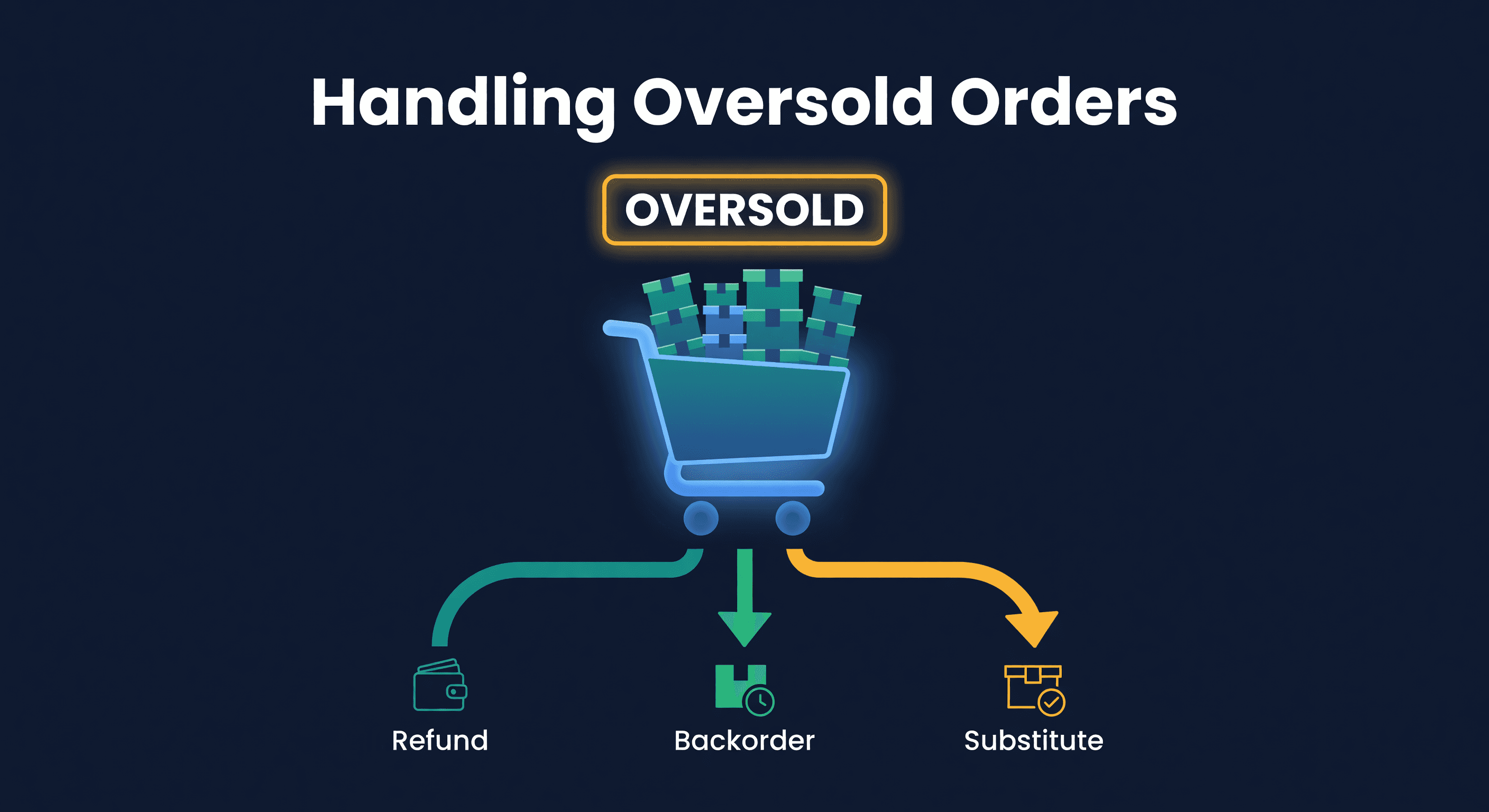
How to Handle Oversold Orders in E-commerce
Why overselling happens on multi-channel stores, what it costs you, and the prevention strategies that actually work, from buffer stock to real-time push sync.
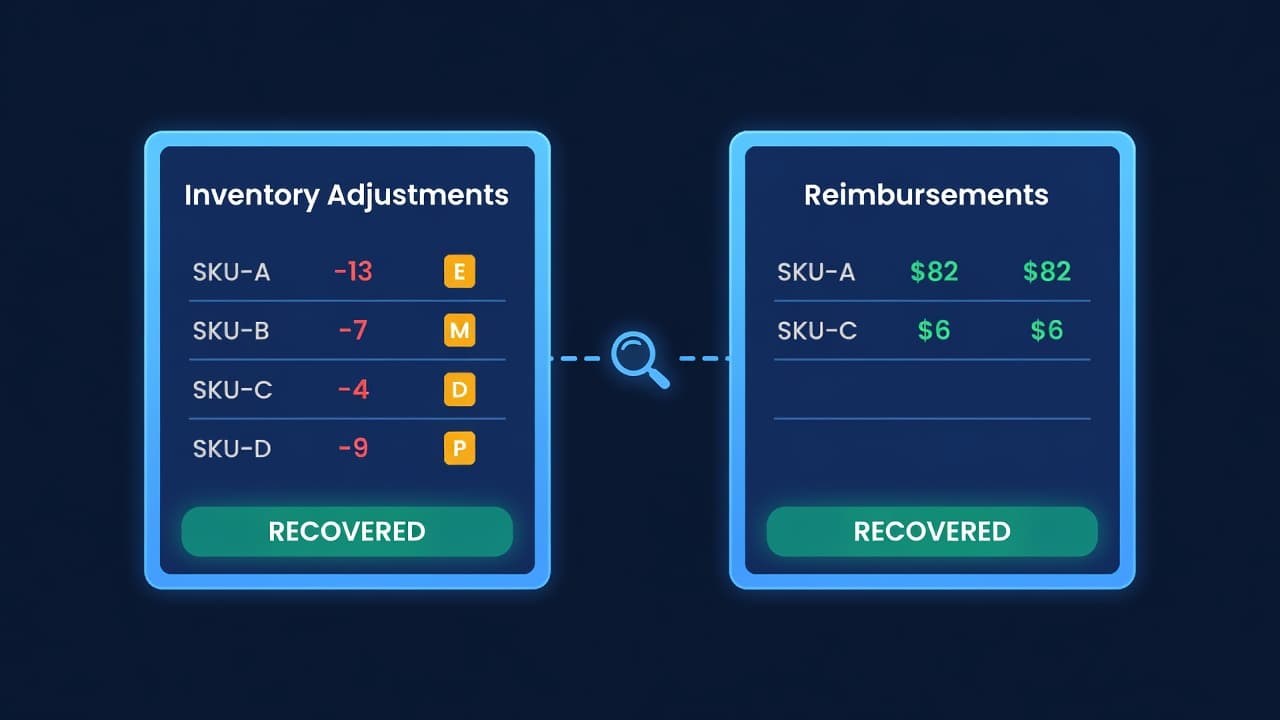
Amazon Lost Inventory: How to Get Reimbursed
How to find lost or damaged FBA inventory, file reimbursement claims with Amazon, and stop leaving 1-3% of your FBA revenue on the table.
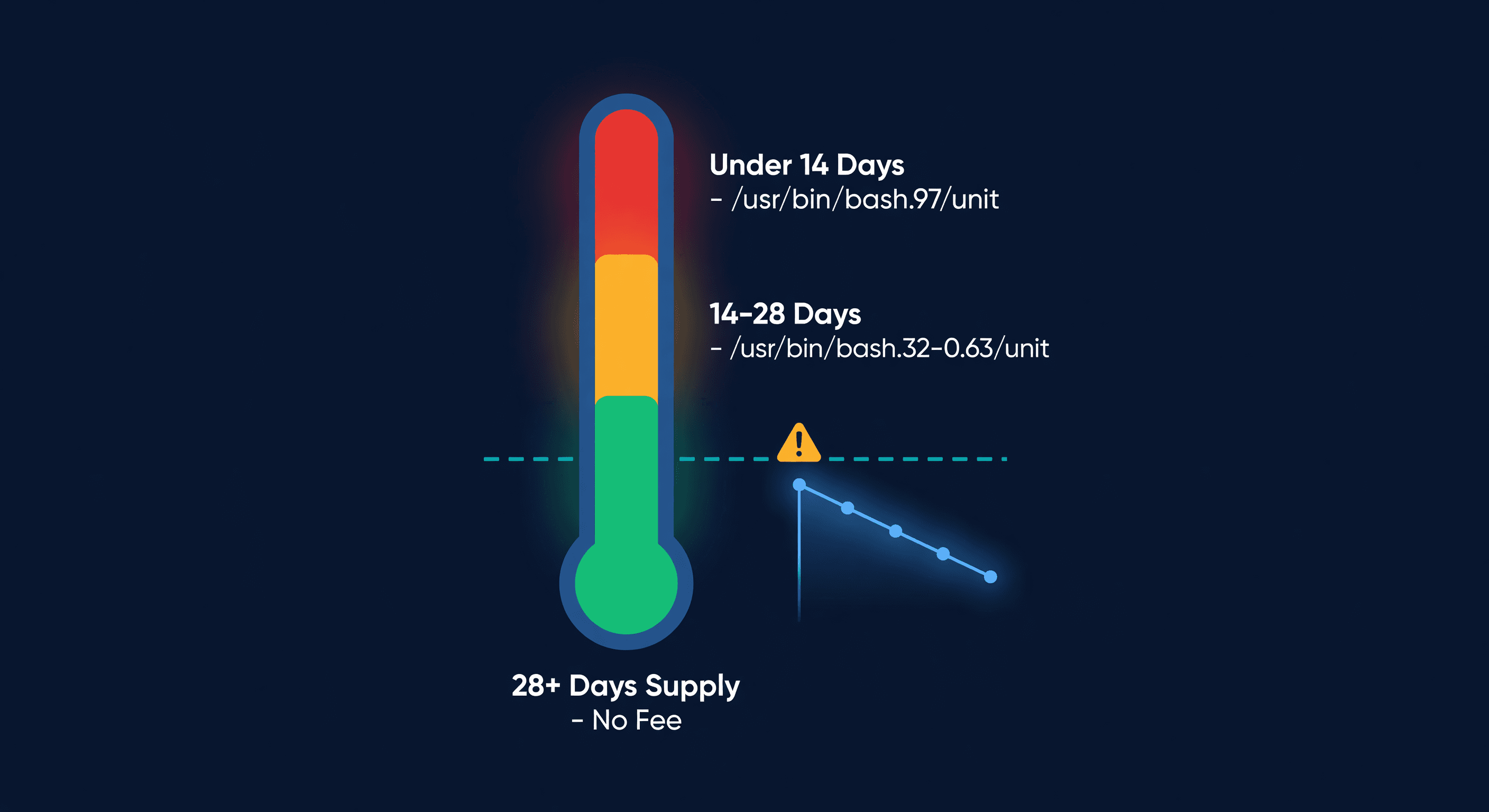
Amazon Low-Inventory-Level Fee Explained
How Amazon's low-inventory-level fee works, which products are exempt, fee amounts by days of supply, and how to avoid it without triggering storage fees.
