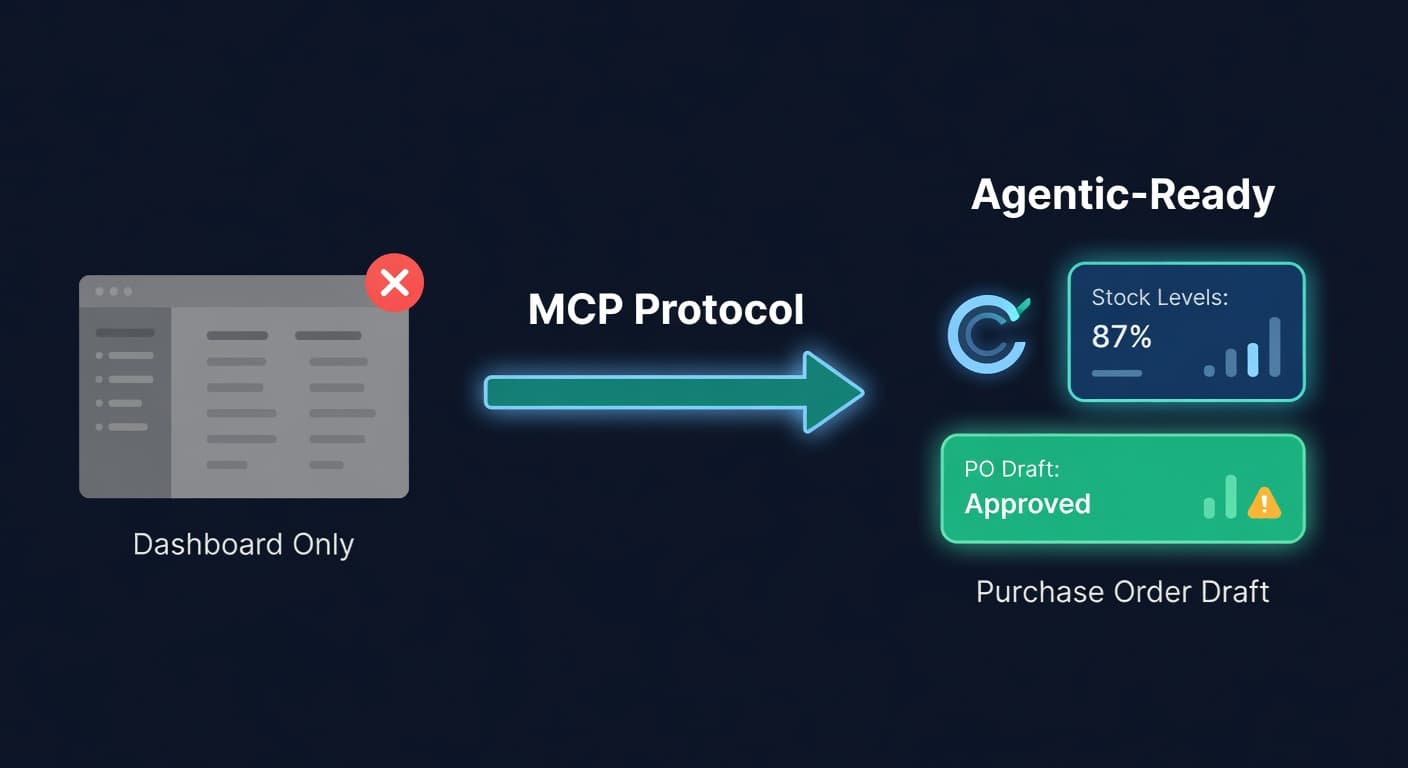
Is Your Inventory Stack Agentic-Ready?

Two things happened in the same week that caught my attention.
Shopify launched a free "Agentic Commerce Readiness" scanner that grades your store's readiness for AI agent interactions. And Prediko shipped Pia, an AI assistant baked into their inventory platform.
Neither of these is earth-shattering on its own. But together they signal something worth paying attention to: the e-commerce platforms and the inventory tools are both racing to position around AI agents. If your inventory stack cannot talk to an AI agent natively, you are about to have a compatibility problem.
This is not a product pitch. I want to walk through what "agentic-ready" actually means, give you a concrete way to evaluate your current tools, and explain the protocol that is becoming a common path for agent-tool communication.
What Just Happened
Shopify's scanner checks whether your storefront, product data, and fulfillment setup are structured enough for AI agents to interact with. It is a signal of where Shopify is heading. They already enabled agentic sales channels for ChatGPT and Microsoft Copilot, and they are pushing merchants to get their data agent-compatible.
Prediko went a different direction. They built Pia as a closed AI assistant inside their platform. You ask Pia questions about your inventory, and it answers from the data Prediko already has. It is useful, but it only works inside Prediko. You cannot connect your own agent, pick your own model, or build custom workflows around it.
I spend most of my day in seller communities. The conversation has shifted from "should I use AI?" to "which of my tools actually work with AI agents?" That is a meaningful change.
What "Agentic-Ready" Actually Means
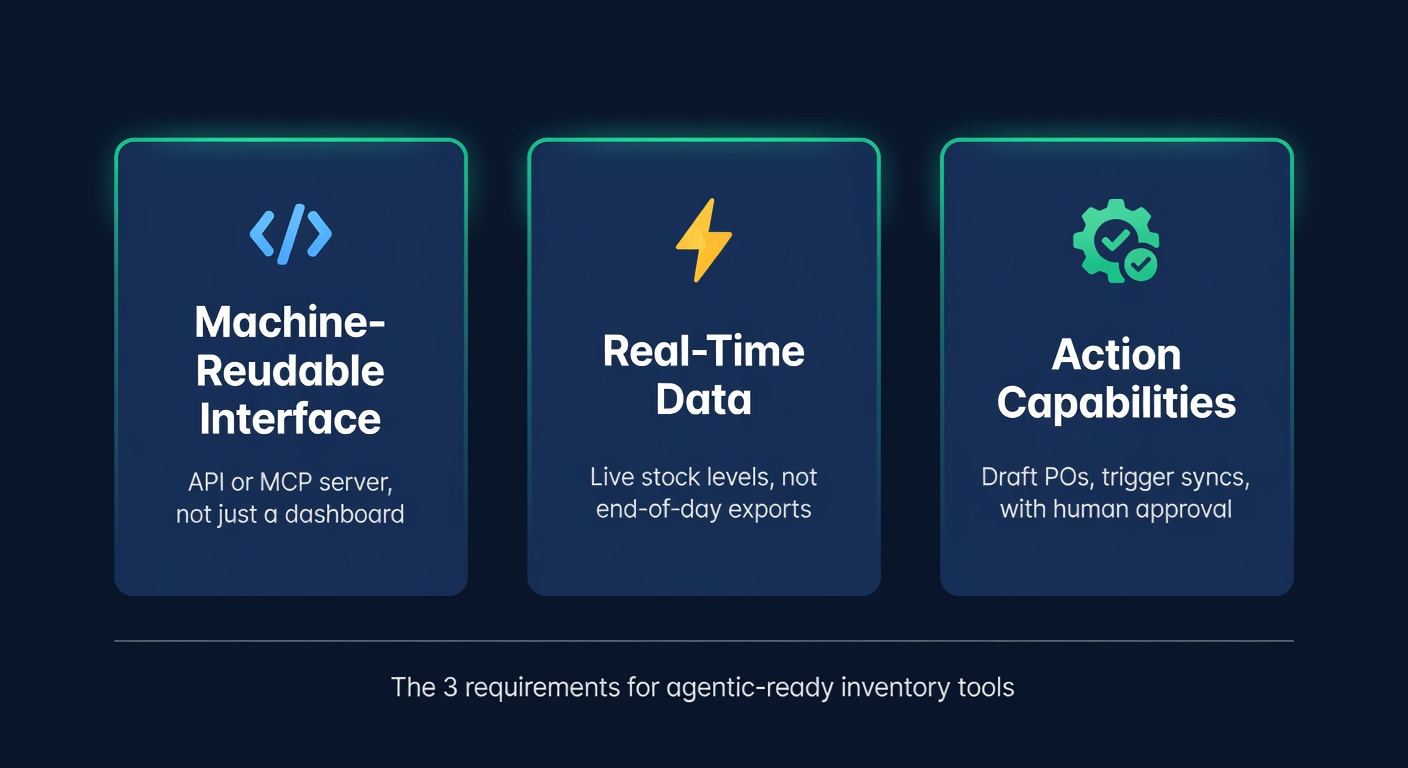
Strip away the marketing and there are three requirements. Your inventory tool either meets them or it does not.
1. Machine-readable interface
A dashboard is for humans. An agent needs structured data it can parse. That means an API, an MCP package, or some other protocol that returns data in a format an agent can work with. If the only way to get your stock levels is to log into a web app and look at a table, an agent cannot use it.
2. Real-time data access
Exporting a CSV at the end of the day is not real-time. The agent needs to query current inventory positions, open POs, in-transit quantities, and demand forecasts at the moment it is making a decision. Stale data produces stale recommendations.
3. Action capabilities
Read-only is a start. But the real value kicks in when the agent can do things - draft a purchase order, trigger a sync, adjust a reorder point. Not autonomously. With guardrails. Draft-only POs that require human approval, rate limits, circuit breakers. The agent proposes, you approve.
Most inventory tools built before 2025 fail on all three. They were designed for humans sitting at screens, not for agents calling structured endpoints.
The MCP Standard
MCP stands for Model Context Protocol. Anthropic created it, and it has since spread through agent clients and developer tooling. It is a common interface for AI agents to connect to compatible tools.
Here is why it matters for inventory: before MCP, connecting an AI agent to your inventory data required custom API integrations, authentication plumbing, and bespoke tool definitions for every platform. With MCP, the tool publishes defined capabilities, and MCP-compatible clients can plug in.
| Before MCP | With MCP |
|---|---|
| Custom integration per agent | One tool surface, compatible agents |
| Weeks of developer work | Minutes to connect |
| Model-locked (only works with one AI) | Model-agnostic (Claude, GPT, Gemini, open-source) |
| Fragile, breaks on updates | Standardized, versioned protocol |
The practical result: if your inventory tool has an MCP package or a documented REST tool-call API, you can connect Claude Desktop, OpenClaw, a custom Python script, or an n8n automation flow. Same data, same tools, your choice of agent.
If your inventory tool does not have an MCP or REST agent surface, you are either writing custom code or waiting for the vendor to build one.
The Readiness Checklist
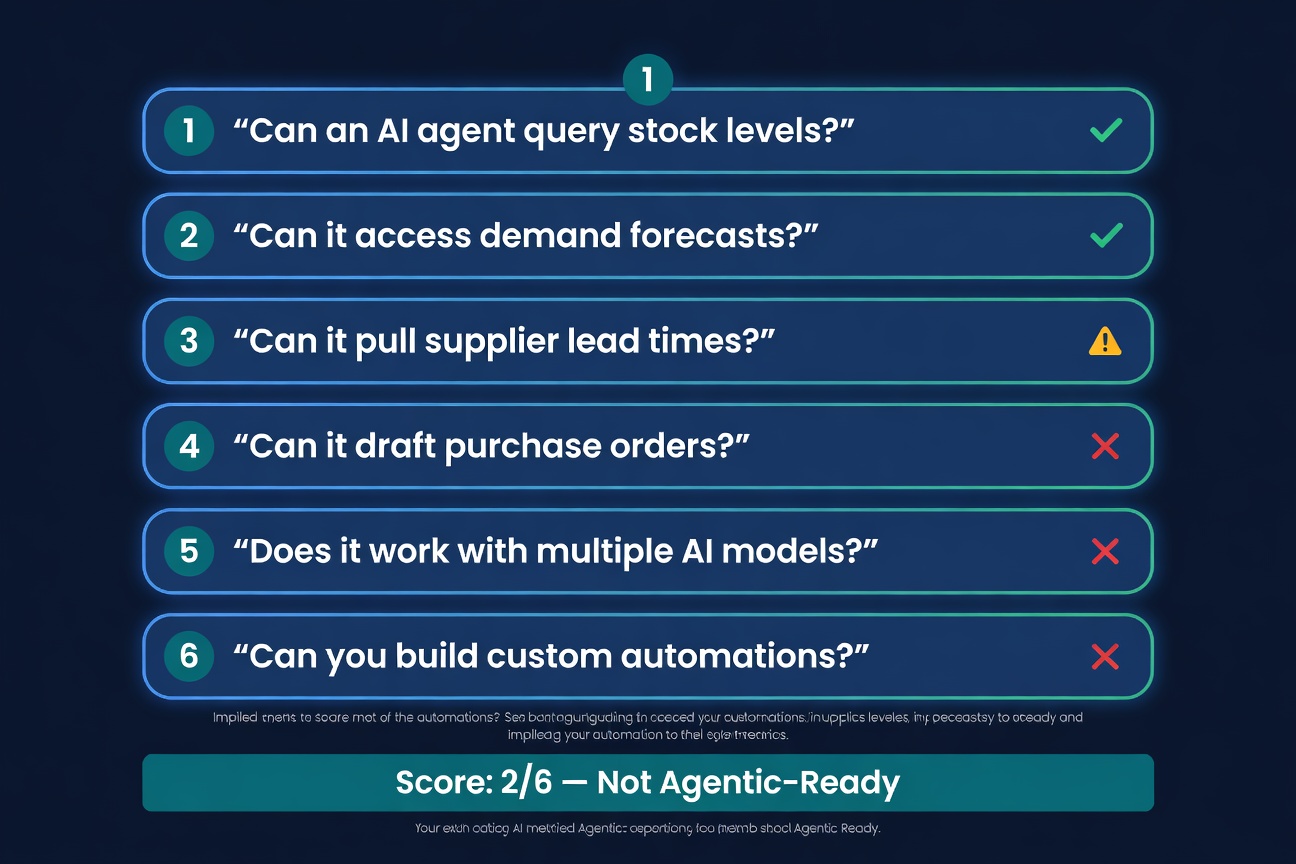
I have been asking sellers to run through these six questions about their current inventory stack. Most get stuck by question three.
| # | Question | What You Want |
|---|---|---|
| 1 | Can an AI agent query your current stock levels without screen-scraping? | Yes - via API or MCP |
| 2 | Can it access demand forecasts and sales velocity data? | Yes - structured, not PDF reports |
| 3 | Can it pull supplier lead times and open PO status? | Yes - per-supplier, real-time |
| 4 | Can it draft a purchase order on your behalf? | Yes - draft-only with human approval |
| 5 | Does it work with more than one AI model or platform? | Yes - model-agnostic, not locked in |
| 6 | Can you build custom automations (alerts, scheduled queries, workflows)? | Yes - via API or automation platform |
If you answered "no" to three or more, your stack is not agentic-ready. That does not mean you need to panic and switch tools tomorrow. But it does mean the gap between what your tools can do and what the market expects will widen fast.
Why This Matters Now, Not Later
I talked to a seller last week running a $2M Amazon and Shopify operation. She spends 45 minutes every morning checking stock levels, scanning for low-inventory risks, and deciding whether to reorder. That is 15 hours a month on monitoring.
A seller with an agentic-ready stack does that in 30 seconds. "What are my top stockout risks this week?" The agent checks every SKU, cross-references open POs, factors in lead times, and returns a ranked list. We wrote about this in detail in our guide on what AI agents can actually do with inventory data.
The gap is not theoretical. It is 14.5 hours a month of operational overhead that one seller pays and the other does not.
And monitoring is just the beginning. Agents that can draft POs cut the ordering workflow from a 20-minute process (pull reorder suggestions, check constraints, create the order, verify quantities) down to reviewing and approving a pre-built draft. We covered the full AI agent setup options for Amazon and Shopify sellers if you want the technical details.
ReplenishRadar's MCP Server Package
We built our MCP server package because we wanted our own agents to have structured access to inventory data. Turns out other sellers wanted the same thing.
The server exposes 49 ReplenishRadar tools plus knowledge search, covering stock positions, demand forecasts, replenishment actions, purchase orders, supplier data, location management, diagnosis/status data, and alerts. It works with any MCP-compatible client that can run a local stdio server. Claude Desktop, OpenClaw, custom Python scripts, n8n, Make - pick your platform. The data and tools are the same regardless of which model you use.
Standard includes limited read access and safe basic-action workflows. Growth adds diagnosis/status reads, notification channels, and write capabilities like draft PO creation, sync triggers, action notes, and manual-location stock updates. Scale raises the limits for heavier automations. PO creation starts as a draft, and sending requires human approval.
If you want the setup walkthrough, we wrote a step-by-step MCP connection guide that covers the full process.
Try ReplenishRadar free for 14 days ->
What to Do This Week
Do not wait for your current vendor to figure out agent compatibility. Run the six-question checklist above against every tool in your stack. For the ones that fail, start looking at alternatives that were built with agent access as a first-class feature.
The sellers who connected agents to their inventory data six months ago are not going back to dashboards. And the platforms, marketplaces, and tool vendors are all moving toward a world where agents are a normal interface. Your tools either participate in that world or they get replaced by tools that do.
Related Reading:
Frequently Asked Questions
Get notified when it matters
Amazon and Shopify change the rules constantly. We'll email you when something affects your business.
See what your inventory is really doing
Doing $5M+ in revenue? Talk to our team
Works with your AI agent
Ready for agents: MCP tools for live stock data OpenClawClaudeChatGPT
Related Posts
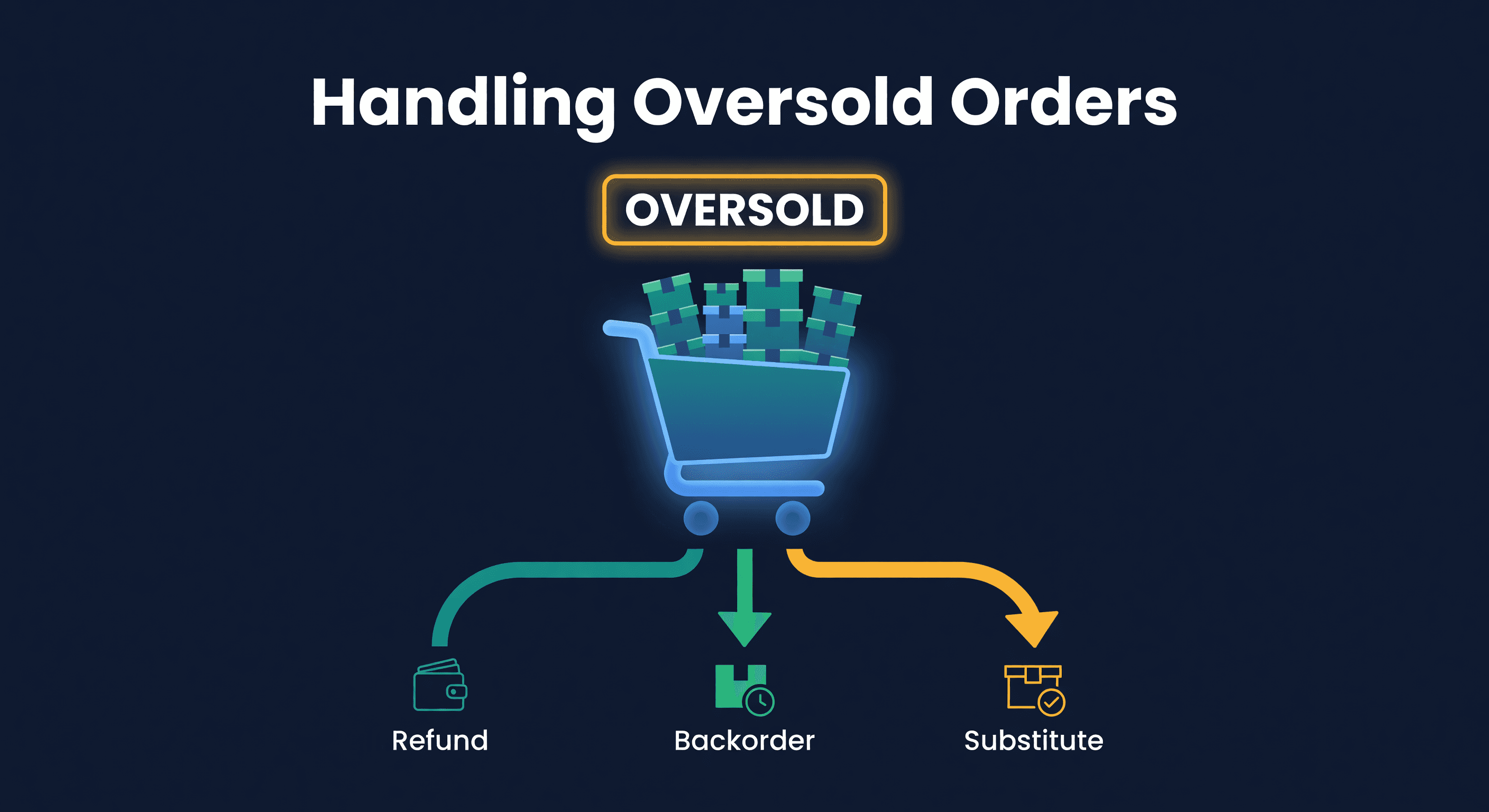
How to Handle Oversold Orders in E-commerce
Why overselling happens on multi-channel stores, what it costs you, and the prevention strategies that actually work, from buffer stock to real-time push sync.
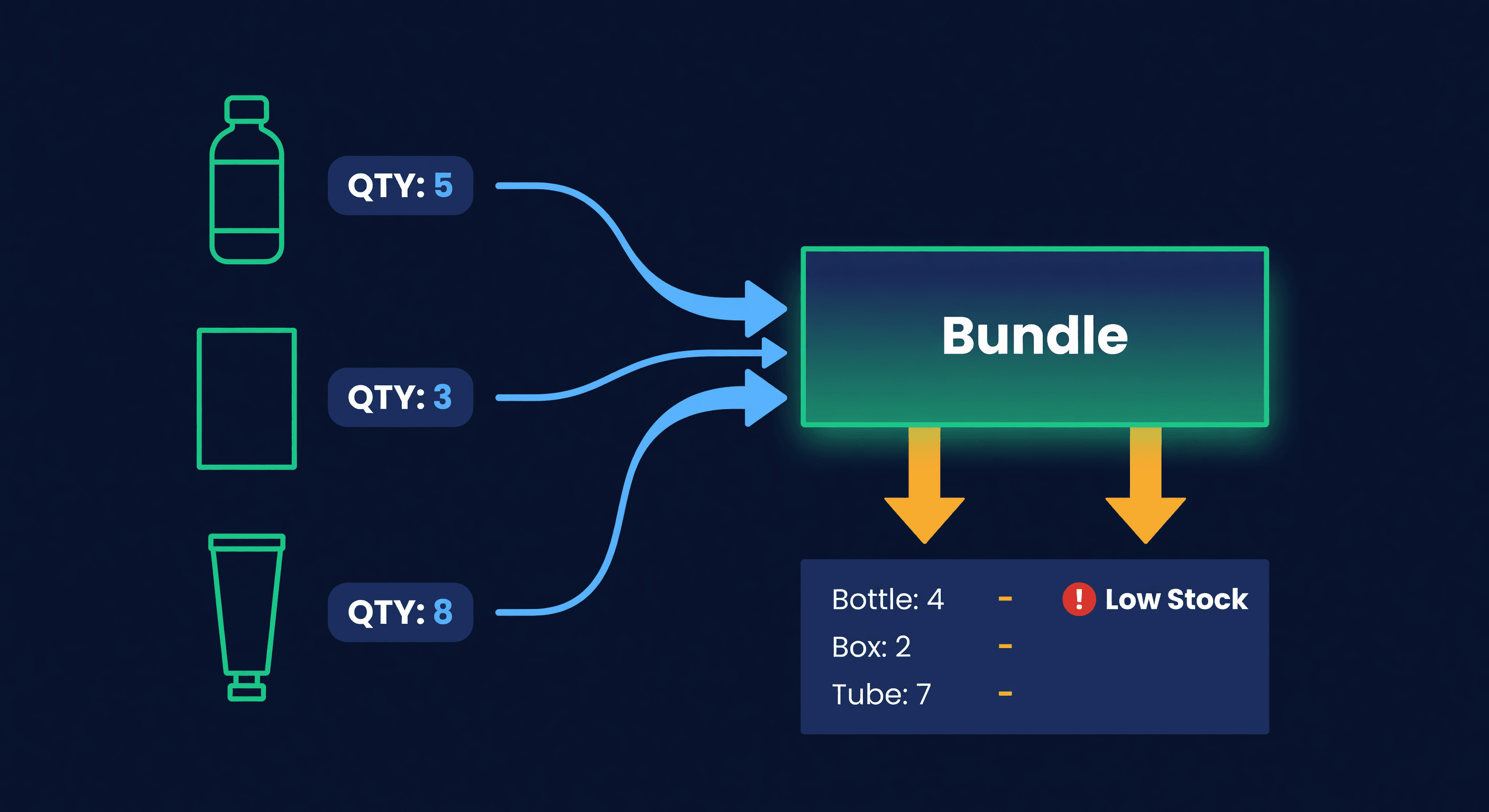
Shopify Bundles and the Inventory Problem
Product bundles sell great. Tracking their inventory is a mess. Here's how to handle component-level stock for Shopify bundles without overselling.
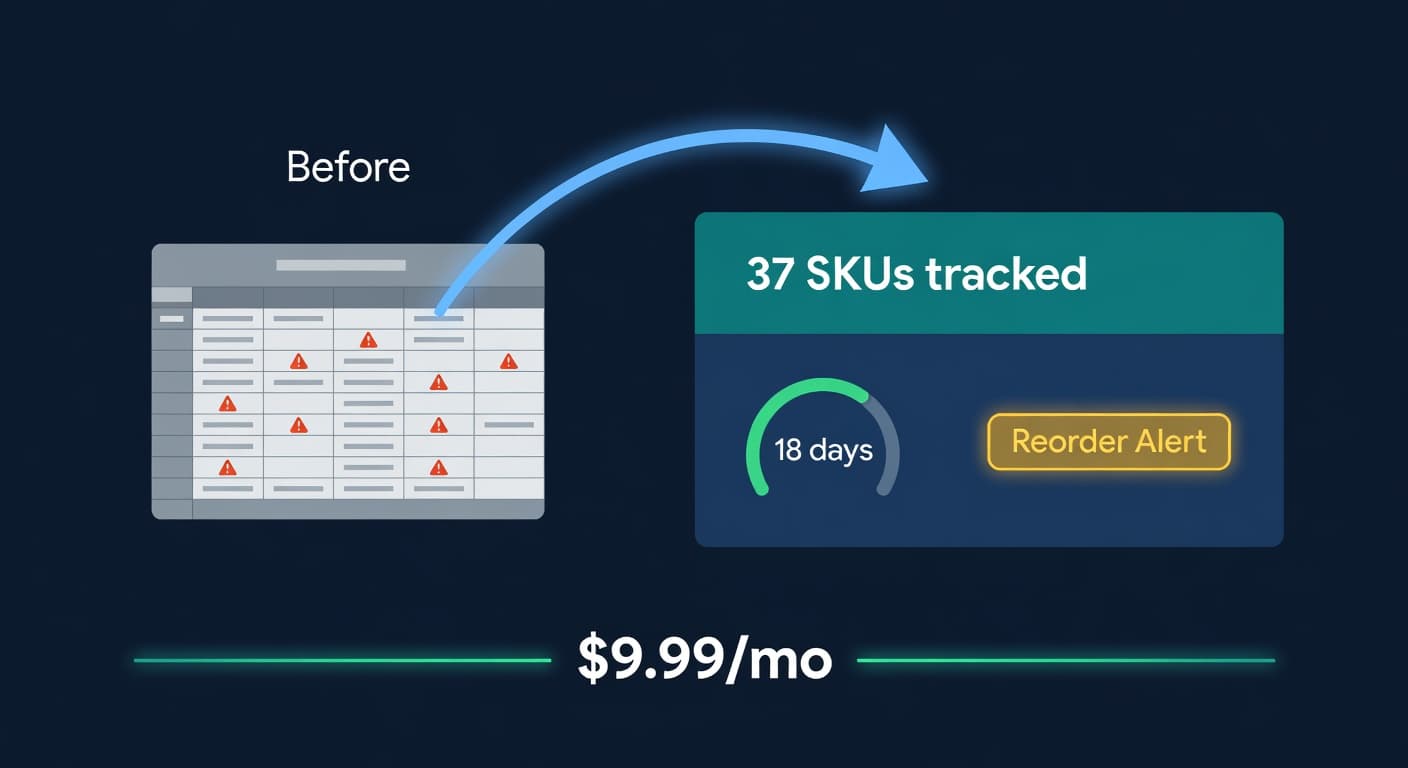
Inventory Lite: Who It's For, What It Does, When to Upgrade
Lite is $9.99/mo for hybrid Shopify + Amazon sellers under 50 SKUs and $10k/30d. Here is what it covers and when you outgrow it.
