Inventory Lite: Who It's For, What It Does, When to Upgrade

Key takeaway: Inventory Lite costs $9.99/mo, tracks up to 50 SKUs, caps at $10k/30d revenue, and runs on one Shopify store plus one Amazon account. It gives you days of cover, reorder math, and a weekly stockout digest. It does not give you forecasting, purchase orders, or hourly sync. If you are a hybrid solopreneur stuck in a spreadsheet, Lite is the answer. If you are bigger than 50 SKUs or want forecasting, Growth at $199/mo is the next step.
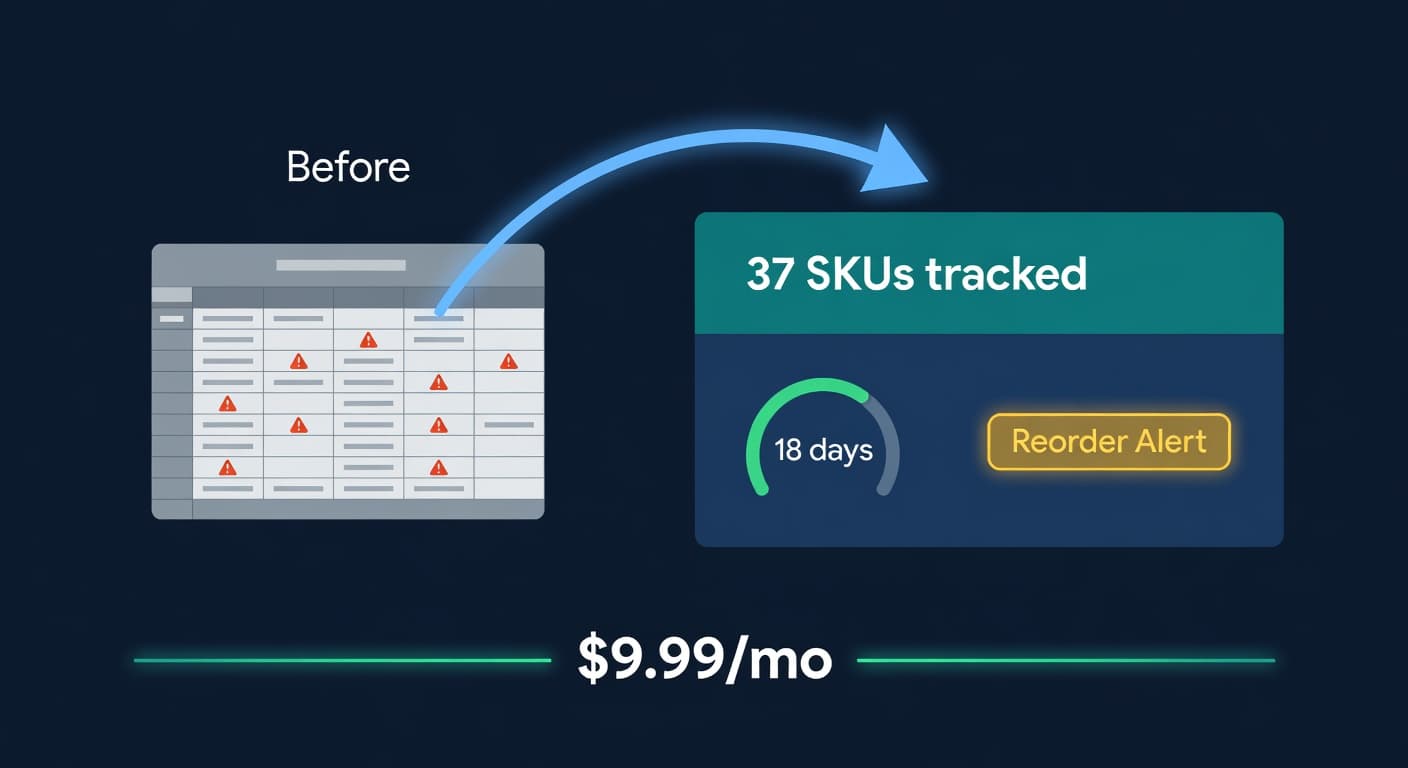
I talk to sellers every week who are in the exact same spot. One Shopify store. One Amazon account. Thirty, maybe forty SKUs. Revenue somewhere between $5k and $10k a month. The "inventory system" is a Google Sheet that hasn't been updated since last Tuesday.
They know the spreadsheet is failing them. They've stocked out on Amazon twice this quarter. But every inventory tool they find starts at $99 a month and ships with features they won't touch for another two years.
That is the gap Lite fills.
The seller Lite was built for
One specific profile. Not "small businesses" in general.
You sell on Shopify and Amazon at the same time. Both channels, connected. The reorder math needs demand from both to be useful - if it only watches one channel, it undercounts your velocity and gives you a bad reorder point.
You have 50 tracked SKUs or fewer. "Tracked" means active listings you want the tool to watch. Old or archived listings do not count against the cap.
You are under $10,000 in revenue across all connected stores per rolling 30-day window. Hard cap. Enforced.
You run the business yourself, or with one other person. Lite has one seat. No team management, no role permissions.
And you are tired of a spreadsheet that only knows what happened last week, never what is about to happen next week.
What you actually get for $9.99
I want to be specific because "inventory management tool" can mean anything from a stock counter to a full-blown ERP. Lite is neither.
Your Shopify and Amazon inventory shows up in one place. Both stores connect, and the app gives you a single SKU list instead of forcing you to bounce between Seller Central, Shopify Admin, and a spreadsheet to reconcile numbers. I have watched sellers spend 30 minutes a day on that reconciliation alone. That stops.
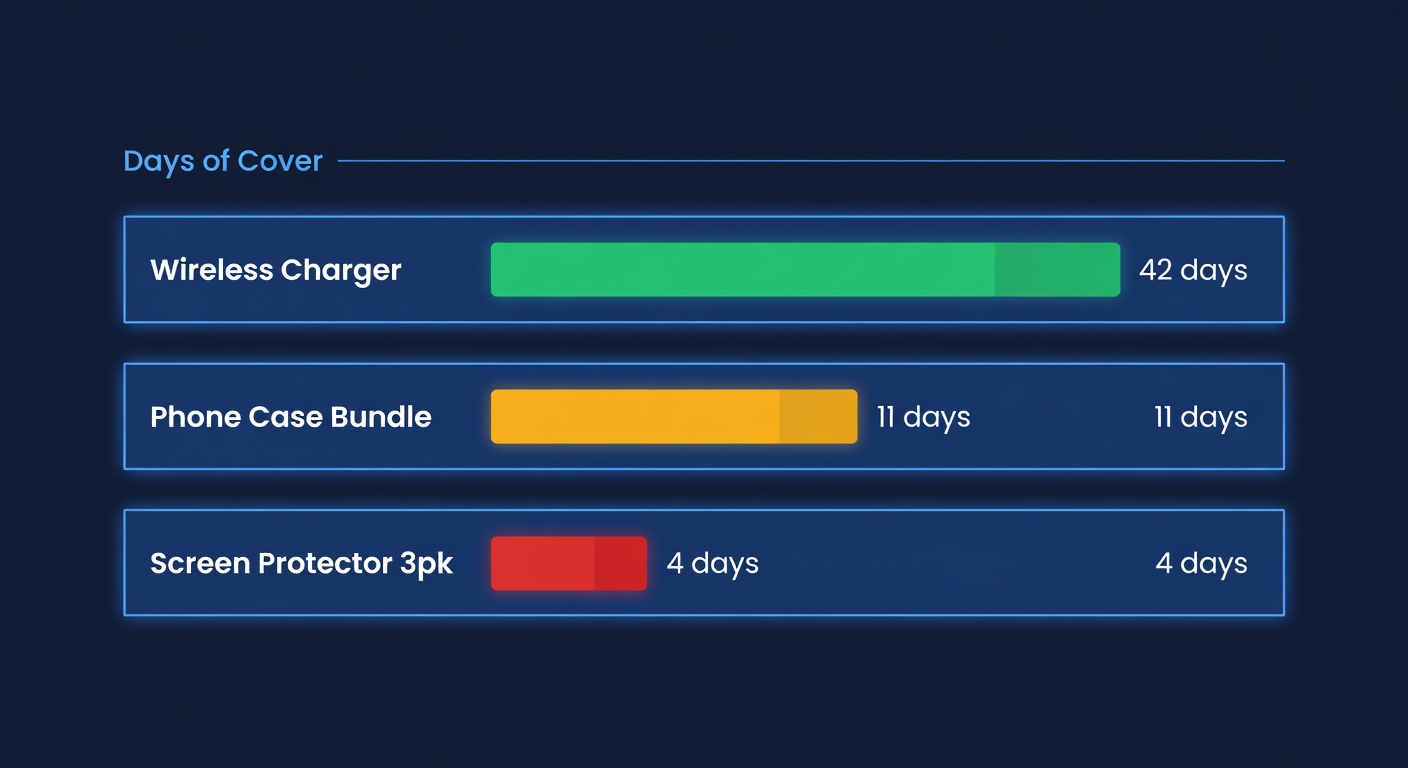
Every SKU gets a days-of-cover number. At your current sales rate, how many days until you are out? It is calculated separately for FBA and Shopify so you can see which channel drains first. If your FBA stock is at 12 days and your Shopify warehouse is at 45, you know where the fire is before it burns you.
Reorder math runs on every sync. Not a forecast. Not a recommendation engine. Velocity times lead time plus a buffer, calculated automatically. It tells you when to place the order. You decide what and how much.
The data refreshes once a week automatically, and you get one manual refresh per day if you need something sooner.
Monday mornings, an email lands with every SKU at risk that week. Sorted by which one runs out first. If nothing is at risk, the email tells you that too. No news is good news.
That is the whole product on Lite.
What Lite does not do
I would rather you know this now than find out on day 3.
There is no demand forecasting. No seasonality model, no trend detection, no Q4 spike planning. Reorder math uses your recent run rate and lead time. For a 30-SKU operation, that is enough. For 200 SKUs with a holiday season that triples your volume, it is not.
There are no purchase orders. Lite tells you when to reorder. It does not draft a PO, send it to a vendor, or track receiving. If you need the full purchase order workflow, you will need Growth.
There is no hourly sync. Weekly auto, daily manual. If you are making inventory allocation decisions based on real-time numbers, this is not the plan.
No FBA intelligence beyond stock levels. No reimbursement tracking, no fee analysis, no transfer recommendations. No multi-store. No API access. No Slack. No extra seats.
Every item on that list is removed deliberately. Putting them back would push Lite toward $99, and that defeats the entire point.
The numbers side by side
| Lite ($9.99/mo) | Growth ($199/mo) | |
|---|---|---|
| SKUs | 50 | 20,000 |
| Revenue cap | $10k / 30 days | None |
| Stores | 1 Shopify + 1 Amazon | Up to 5 total |
| Sync interval | Weekly + 1 manual/day | Real-time updates + 24-hour accuracy checks |
| Demand forecasting | No | Seasonal + trend |
| Purchase orders | No | Draft, send, track |
| FBA intelligence | Stock levels only | Fees, reimbursements, transfers |
| Seats | 1 | Multiple |
| Price per SKU | ~$0.20 at 50 SKUs | ~$0.01 at 20k SKUs |
The gap is intentional. Lite is reorder math for small hybrid sellers. Growth is a forecasting and purchasing platform. Different problems, different price points.
What a single stockout actually costs at this scale
Here is a scenario I hear constantly. You sell a product that does 3 units a day on Amazon at $28 margin per unit. You stock out for 9 days because your spreadsheet did not flag the reorder window.
That is $756 in lost gross margin. But it is worse than that. Your organic rank drops during those 9 days. Your FBA inventory limits tighten because Amazon penalizes sellers who cannot keep stock in. Your PPC campaigns paused or burned budget sending traffic to an out-of-stock listing. Conservatively, the real cost is $1,200 to $1,500 by the time you recover rank.
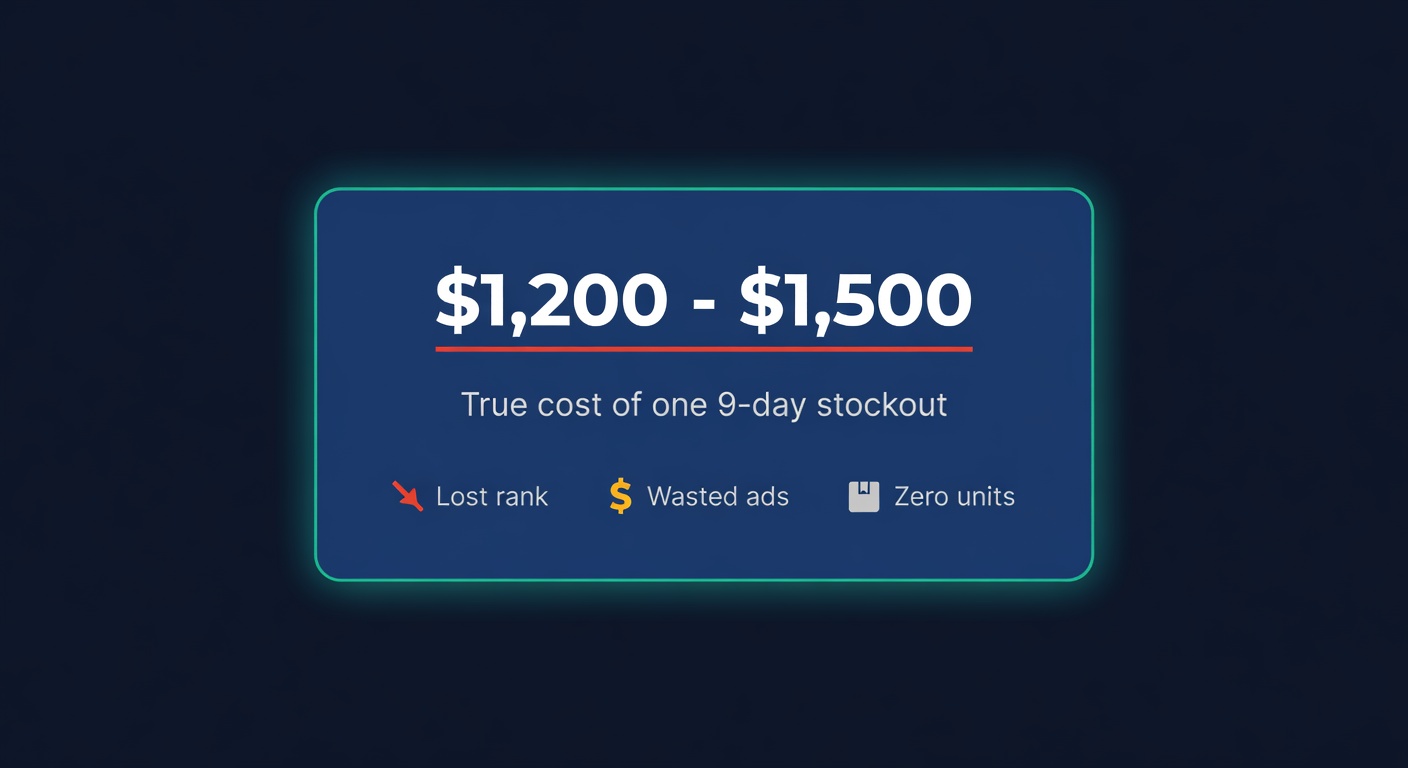
Lite costs $120 a year. One prevented stockout on one SKU pays for the tool ten times over.
Five signals you have outgrown Lite
You do not need all five. One is enough.
You crossed 45 SKUs and they are still growing. The cap will hit you within a quarter. Move before it does.
Your 30-day revenue is consistently above $10k. At that level, the cost of a single stockout dwarfs a $199/mo subscription. We have seen sellers lose $2,000 in a weekend from one SKU hitting zero on Amazon.
You want to know what next month looks like, not just what last week looked like. That is forecasting. Growth has it.
You are emailing POs to suppliers and tracking them in yet another spreadsheet. Same spreadsheet problem you signed up to escape. Growth handles PO drafts, supplier records, and receiving.
You added a second Shopify store or a second Amazon account. Lite cannot connect them. Growth can.
When you upgrade, every SKU, supplier, and history record comes with you. Stripe prorates the price difference. Most upgrades take under five minutes.
How to start
The trial runs at Lite scope. What you see is what you keep. No surprise downgrade on day 15.
Connect Shopify, connect Amazon, let the first sync finish. Within an hour you will see days-of-cover and your reorder list. The Monday email arrives the following Monday.
If Lite is not the right fit by day 14, cancel before billing starts. If it is, $9.99 hits the card and you keep going.
Related Reading:
Frequently Asked Questions
Get notified when it matters
Amazon and Shopify change the rules constantly. We'll email you when something affects your business.
See what your inventory is really doing
Doing $5M+ in revenue? Talk to our team
Related Posts
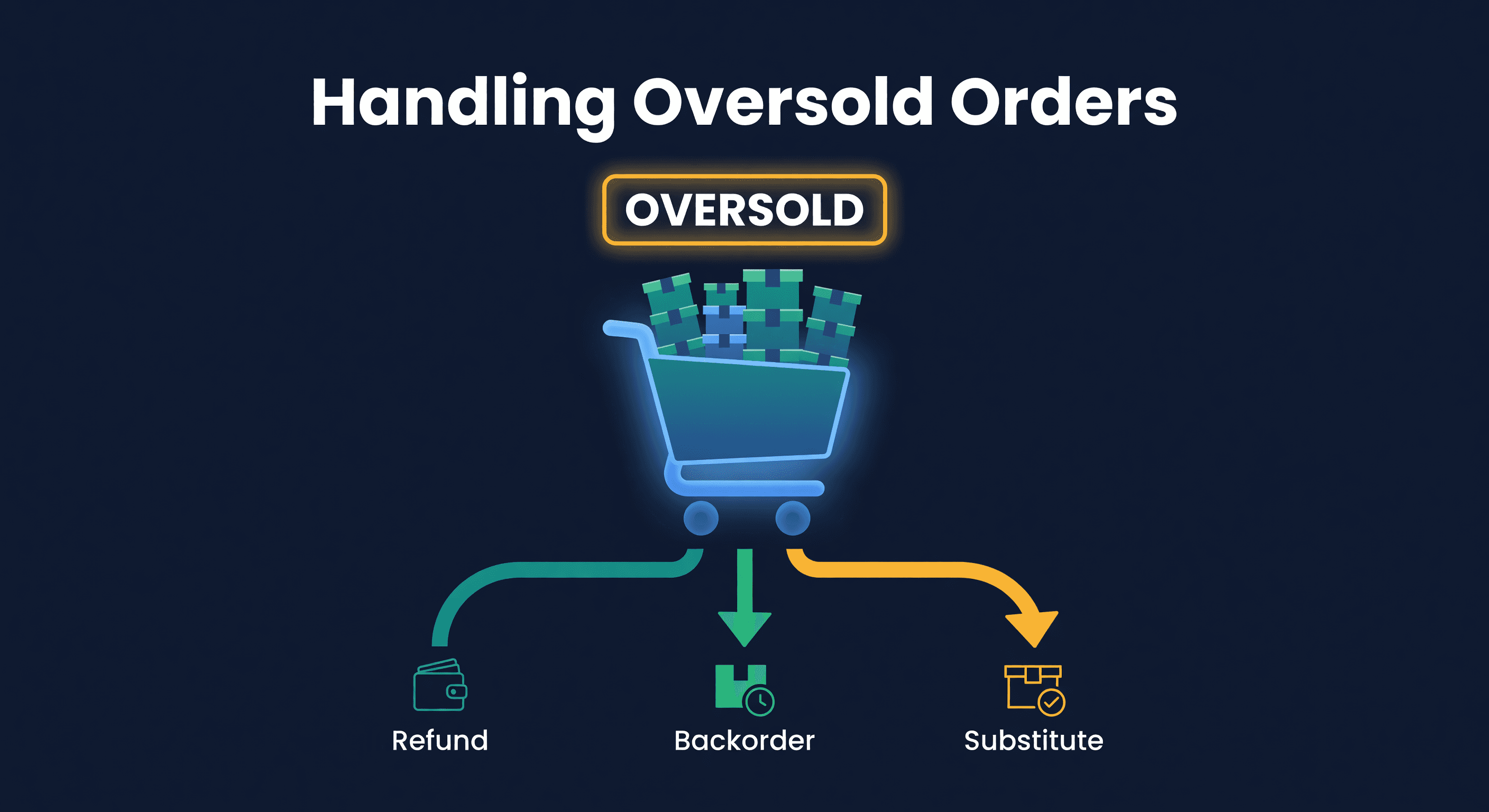
How to Handle Oversold Orders in E-commerce
Why overselling happens on multi-channel stores, what it costs you, and the prevention strategies that actually work, from buffer stock to real-time push sync.
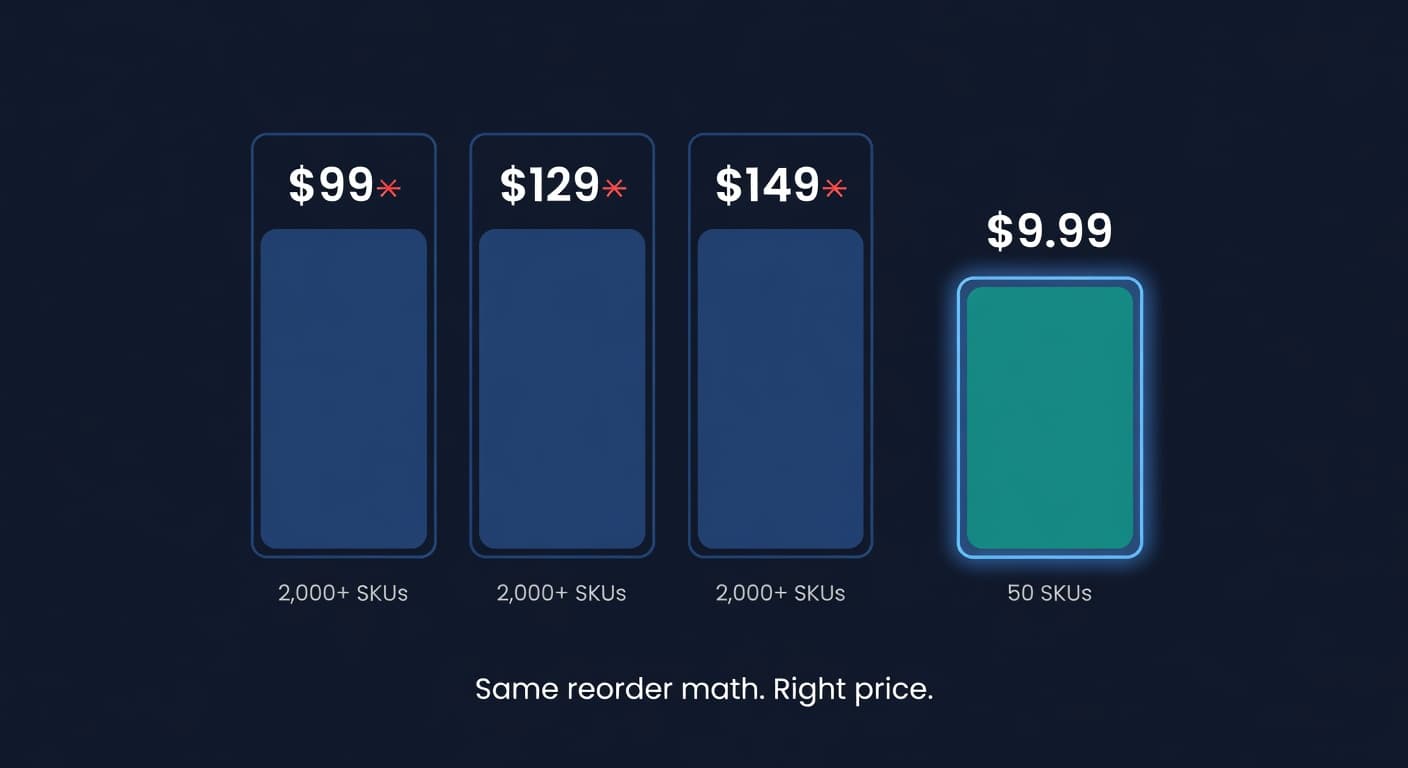
Why We Built a $9.99 Inventory Plan When Rivals Start at $99
Most inventory tools start at $99 and assume you have 2,000 SKUs and a buyer. If you sell 30 SKUs across Shopify and Amazon, that math is broken.
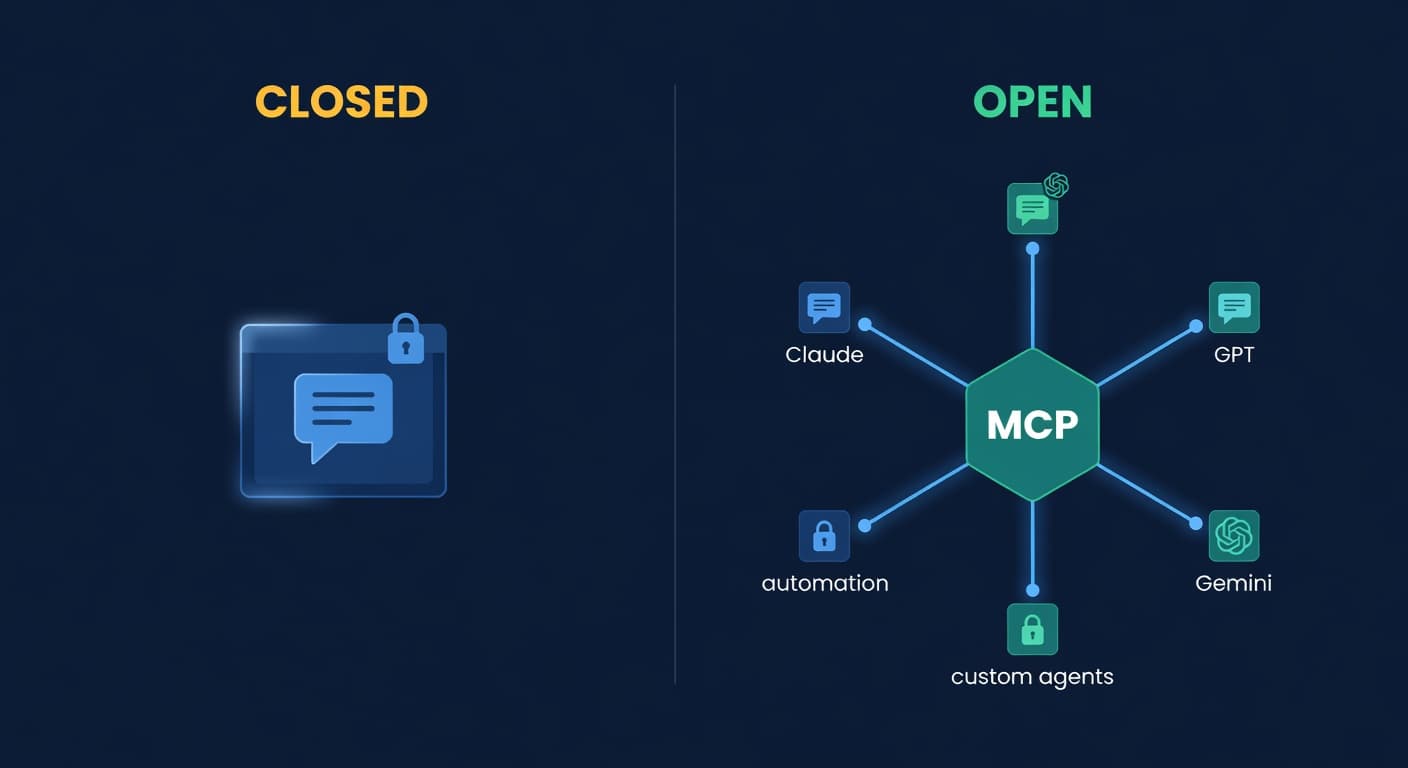
Open vs Closed AI for Inventory Management
Prediko launched an AI chatbot. Here's why open AI architecture with MCP beats closed chatbots for inventory management.
